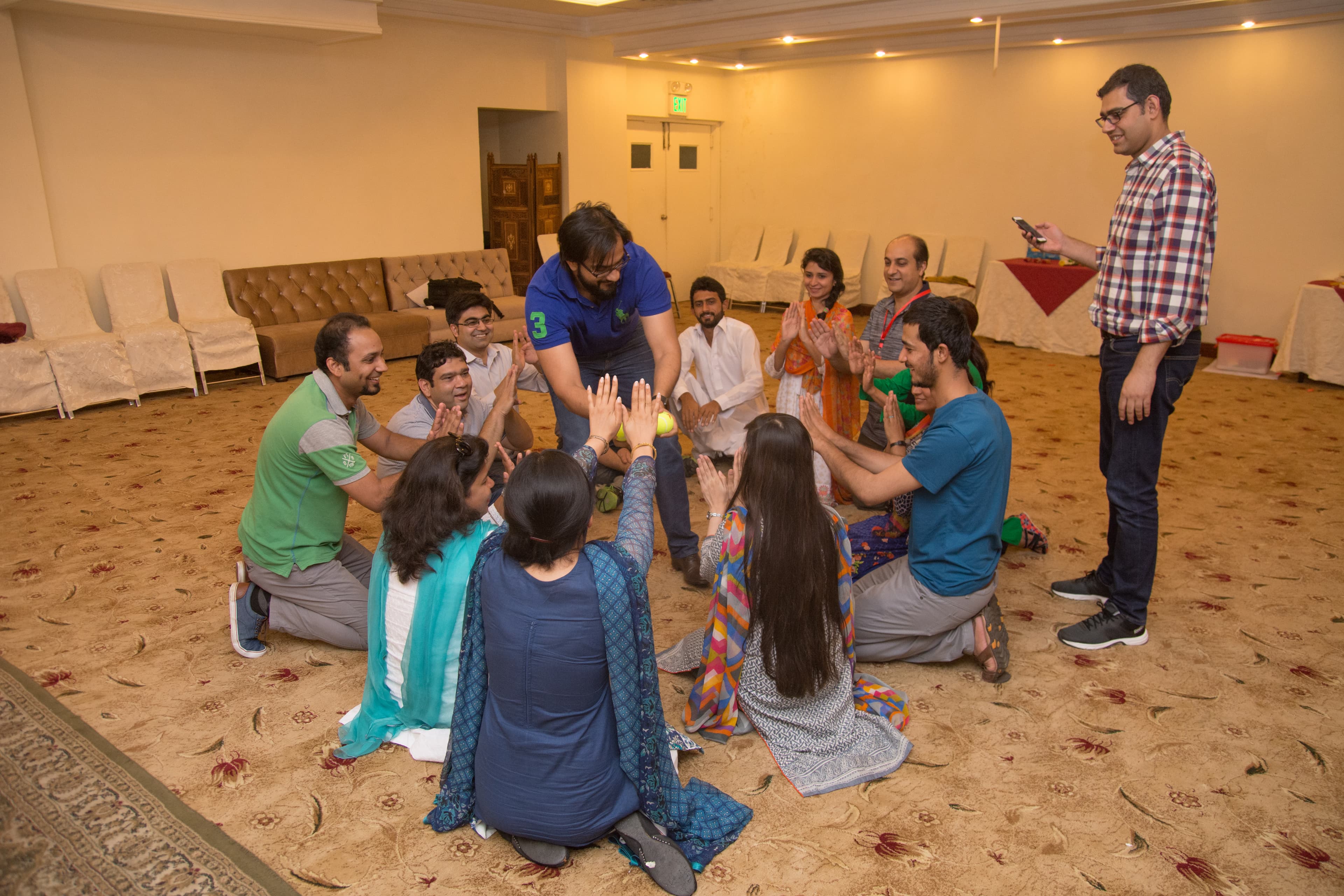
Designed
before it was
built.
An 18-month HCD consulting engagement, the longest in White Rice’s history, in which we compressed a 5-year programme into a living design laboratory: empathising, prototyping, failing productively, and iterating until Oxfam had something genuinely built for the youth it was trying to reach.
End-to-End HCD Partner: 18 Months of Designed Learning
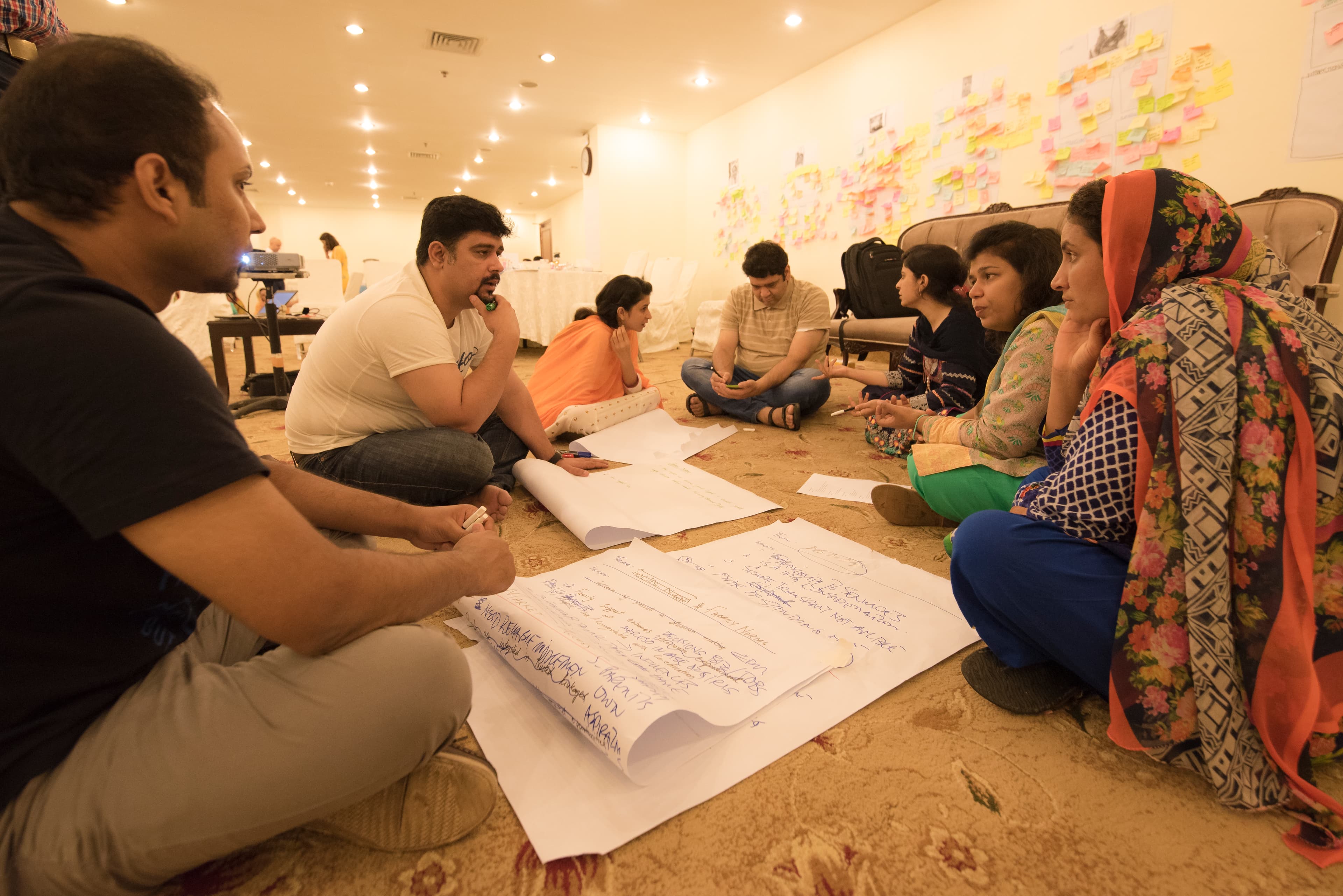
White Rice served as Oxfam’s human-centred design partner for the full 18-month design and prototyping phase of their IKEA-funded Youth Empowerment for Work programme, one of the most rigorous and sustained HCD engagements in Pakistan’s development sector. Our role was not just to research, but to embed design thinking across Oxfam’s implementing partner network: running quarterly workshops, facilitating live prototyping cycles, and guiding field teams through the iterative process of learning, failing, and redesigning until the programme was genuinely ready to scale.
Key Outcomes
to get it
right.
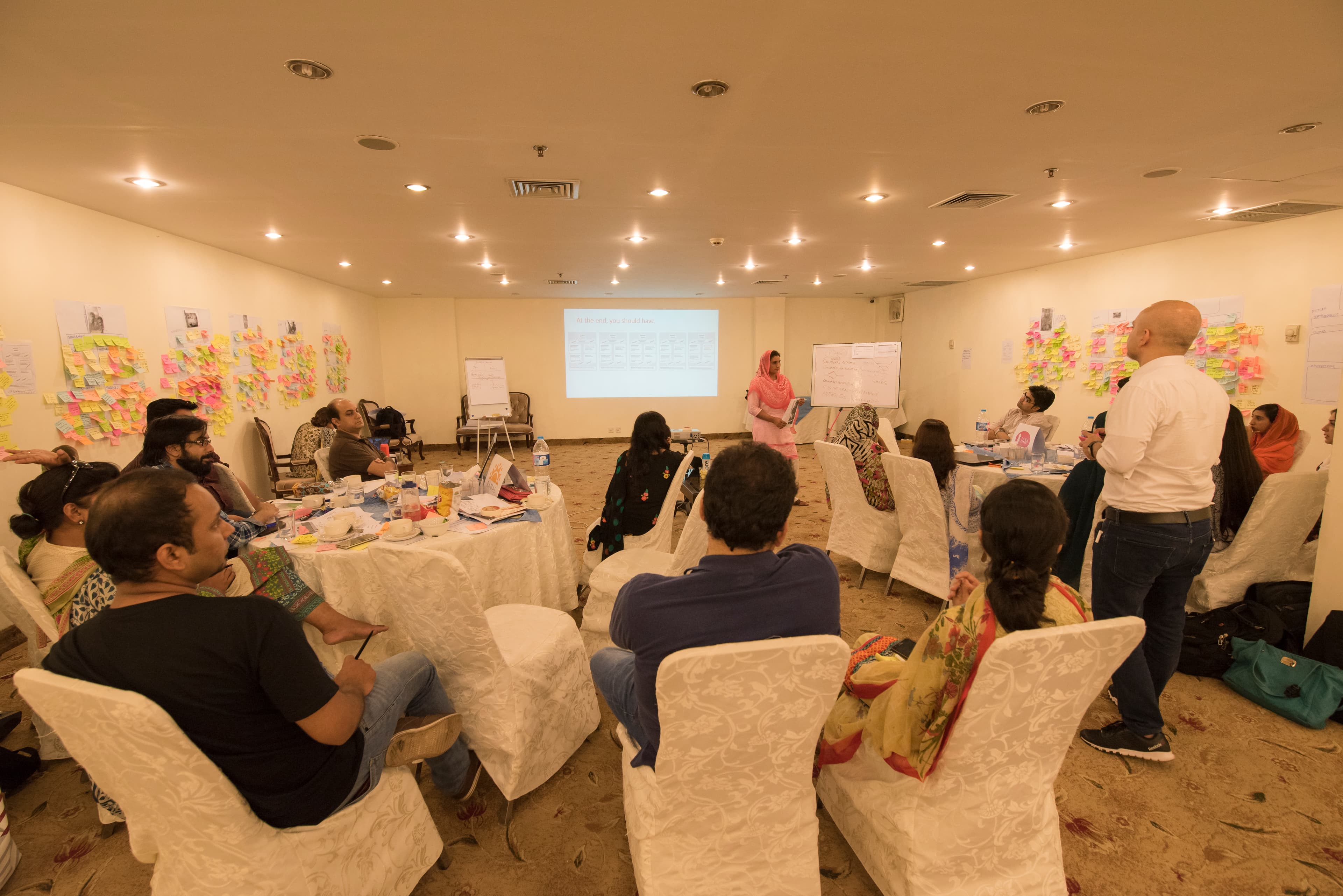
The 18-Month Design Journey
Every quarter, a new design sprint.
Every sprint, a better programme.
Months 1–3 · Sprint 1
Empathy: Understanding the Youth
Immersive field research with young people in climate-affected areas of Punjab and Sindh. Understanding their relationship with work, aspiration, barriers, and the economic realities shaping their choices. Implementing partners trained in empathy methods and deployed with field guides.
Months 4–6 · Sprint 2
Define: Reframing the Challenge
Cross-partner workshops to synthesise field insights and reframe the core challenge. What did “youth empowerment for work” actually mean for a young woman in Rajanpur versus a young man in Karachi’s peri-urban fringe? The programme’s assumptions were stress-tested against the evidence.
Months 7–9 · Sprint 3
Ideate: Co-Creating Solutions
Facilitated ideation workshops with implementing partners and youth co-designers. Multiple programme concepts generated, including the innovation hub model, differentiated youth pathways, and agri-tech integration, with rapid filtering against real-world feasibility and community fit.
Months 10–12 · Sprint 4
Prototype: Building to Learn
First live prototypes deployed in communities. Not polished. Deliberately rough, designed to generate learning. Innovation hub concepts tested at small scale. Youth pathway programmes piloted with real cohorts. Implementing partners embedded in the testing process as co-observers.
Months 13–15 · Sprint 5
Test & Learn: What Worked, What Didn’t
Rigorous feedback capture across all prototype sites. Structured failure analysis, not to assign blame, but to understand mechanism. What assumptions were wrong? Which user segments responded differently? What programme adjustments were required before scale? Partners returned to refine.
Months 16–18 · Sprint 6
Adapt & Scale: A Programme Ready to Deploy
Final programme design, region-specific, evidence-grounded, and co-created with the communities it was built for. Innovation hubs formally established in Punjab and Sindh. Implementing partners equipped with tools, training, and programme frameworks to drive the 5-year rollout with confidence.
The Design Thinking Framework · Applied Every Quarter
Five stages. Six rounds.
Eighteen months of designed programme intelligence.
Empathise
Deep field immersion: understanding youth lives, aspirations, and barriers as they actually are
Define
Reframe the challenge from the evidence, not the assumption that was written in the original proposal
Ideate
Co-create solutions with partners and communities, generating range before narrowing to what is feasible and relevant
Prototype
Build rough versions of the programme, deliberately imperfect, designed to generate real feedback from real communities
Test & Iterate
Learn from what the prototype revealed. Document failure, adapt the design, and return to the field with something better
The Programme Output · Innovation Hubs & Youth Pathways
Two hubs. Three pathways.
One bespoke programme per region.
The 18-month HCD process produced two flagship innovation hubs, one in Punjab, one in Sindh, each designed around the specific economic context, labour market, and youth profile of its region. Within each hub, three differentiated pathways served different types of young people, rather than expecting one model to fit all.
Innovation Hub · Punjab
Punjab Hub
Serving semi-urban and rural youth in climate-affected districts of Punjab, with a particular focus on agricultural livelihood diversification, agri-tech integration, and connecting youth to Punjab’s growing light manufacturing and services markets.
Climate-affected region · Agricultural economy · Strong male youth participation
Innovation Hub · Sindh
Sindh Hub
Serving peri-urban and rural youth in Sindh, with emphasis on women’s economic participation, skills for the digital economy, and enterprise development adapted to Sindh’s specific market conditions and mobility constraints for girls.
Climate-affected region · Peri-urban economy · Focus on women’s economic participation
Three Youth Pathways: Designed from Evidence, Not Assumption
Pathway 1
Entrepreneurs
Young people pursuing their own ventures, supported through business ideation, market access, seed financing literacy, and peer learning networks within the hub ecosystem.
Pathway 2
Agri-Tech Youth
Young farmers and agricultural workers learning to integrate technology into their practices, bringing precision agriculture, mobile tools, and market connectivity to communities whose livelihoods depend on a changing climate.
Pathway 3
Employability
Youth seeking employment in skilled markets, equipped with market-relevant skills, soft skills, job-readiness training, and direct linkages to employers in sectors identified through the HCD research as offering genuine, accessible opportunity.
The Methodology Difference
Not how development programmes are usually designed.
What made this engagement singular in Pakistan’s development sector was the commitment to design before scale, not as a principle, but as an 18-month practice. Most programmes don’t work this way. White Rice’s role was to make sure this one did.
Baseline research → programme design → implement at scale
Empathy → define → ideate → prototype → test → iterate, six times over 18 months, before scale
Programme assumptions embedded at the start and rarely revisited
Assumptions actively challenged every quarter, with field evidence as the arbiter
Implementing partners execute a pre-designed programme
Implementing partners trained as designers, and co-created every iteration
One national programme model deployed uniformly
Two bespoke regional programmes, Punjab and Sindh, each shaped by its own evidence base
The Challenge
Youth unemployment and underemployment in Pakistan’s semi-urban and rural areas, particularly in climate-affected regions of Punjab and Sindh, is not a simple skills gap problem. It is a system of interconnected barriers: limited market access, weak connectivity between skills supply and employer demand, entrenched gender norms restricting girls’ economic participation, climate disruption undermining agricultural livelihoods, and programme designs that rarely reflect the actual lives of the young people they target.
Oxfam and the IKEA Foundation had the ambition and the funding for a 5-year programme to change this. What they needed was the confidence that the programme design was actually right before deploying it at scale. That confidence could only come from one source: real evidence from the communities it was built to serve.
The added complexity was the parallel nature of the programme, running simultaneously in four countries, each with its own context, partner network, and implementation challenges. White Rice had to operate as a rigorous, facilitated design partner while contributing to a shared methodology and global learning ecosystem.
Every programme that had tried to empower these youth before had been designed for them, not with them. White Rice’s task was to make that distinction matter.
The Strategy
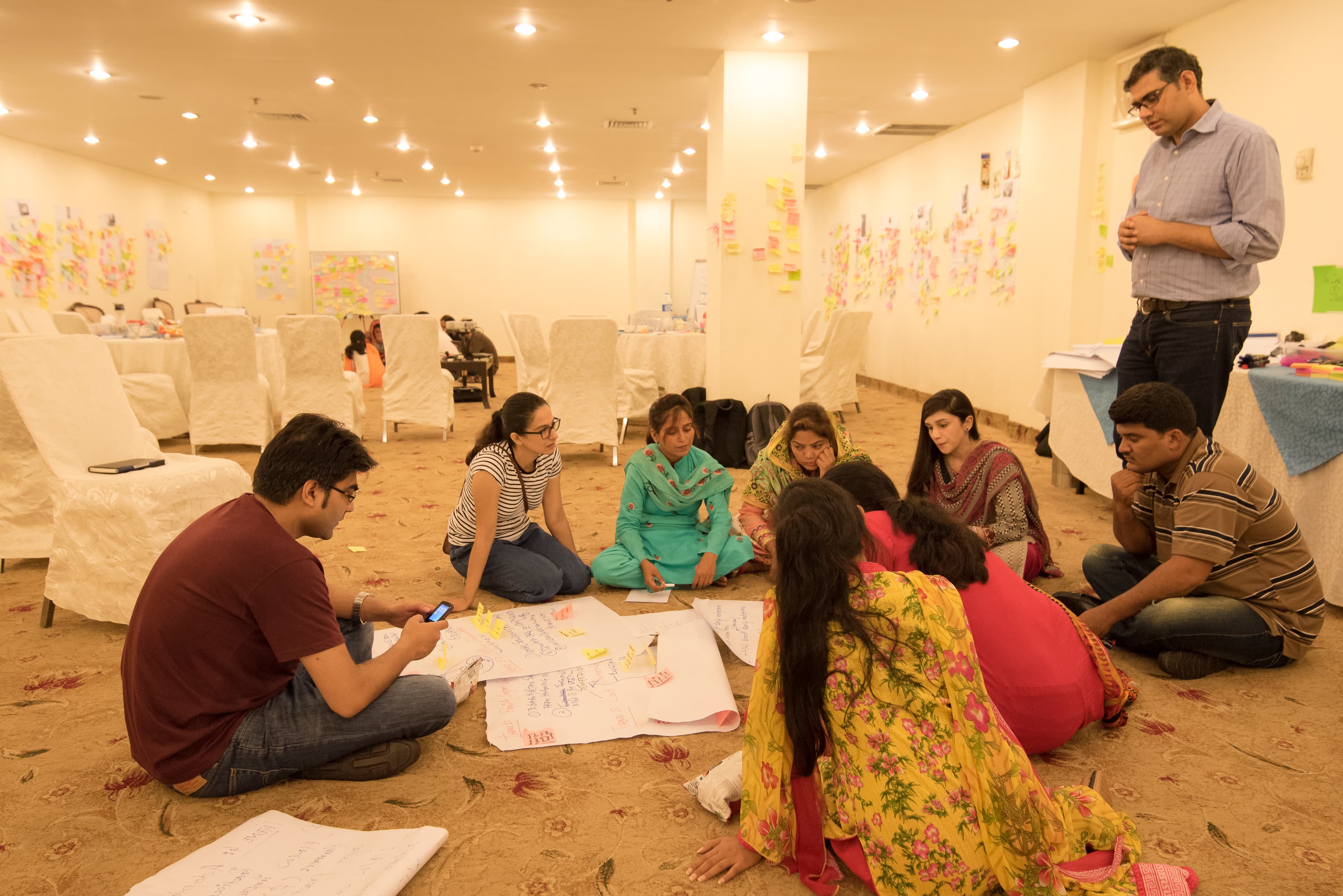
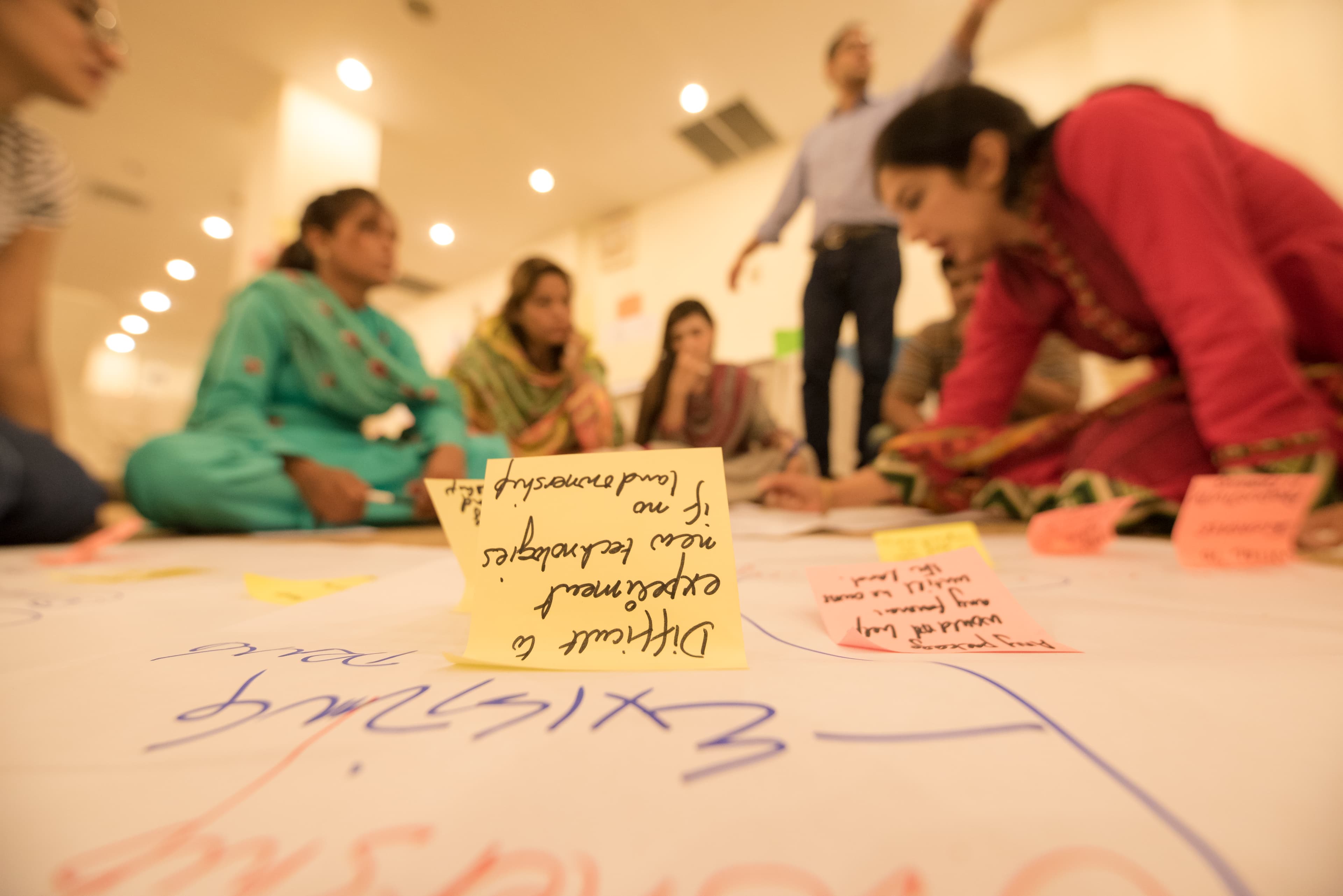
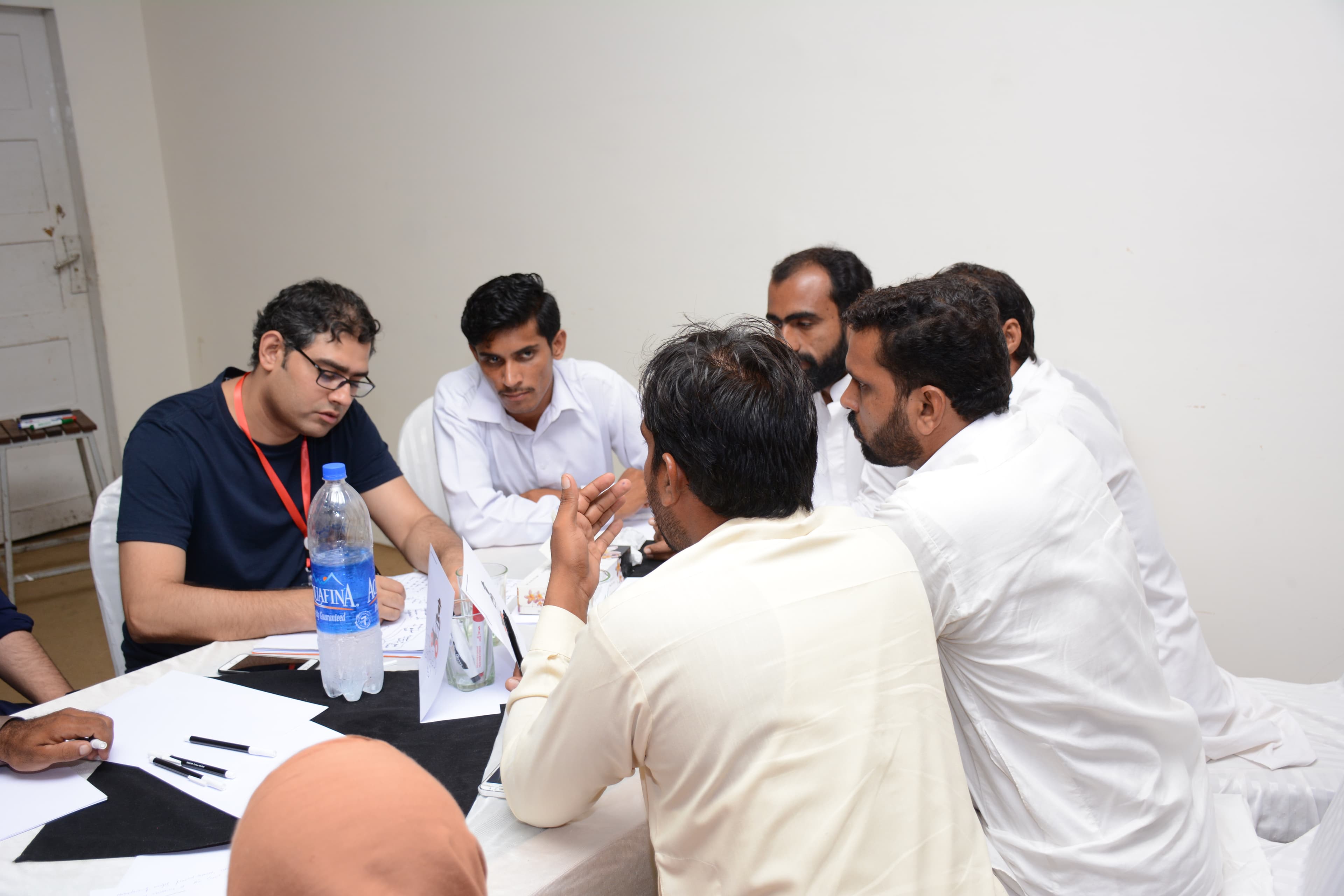
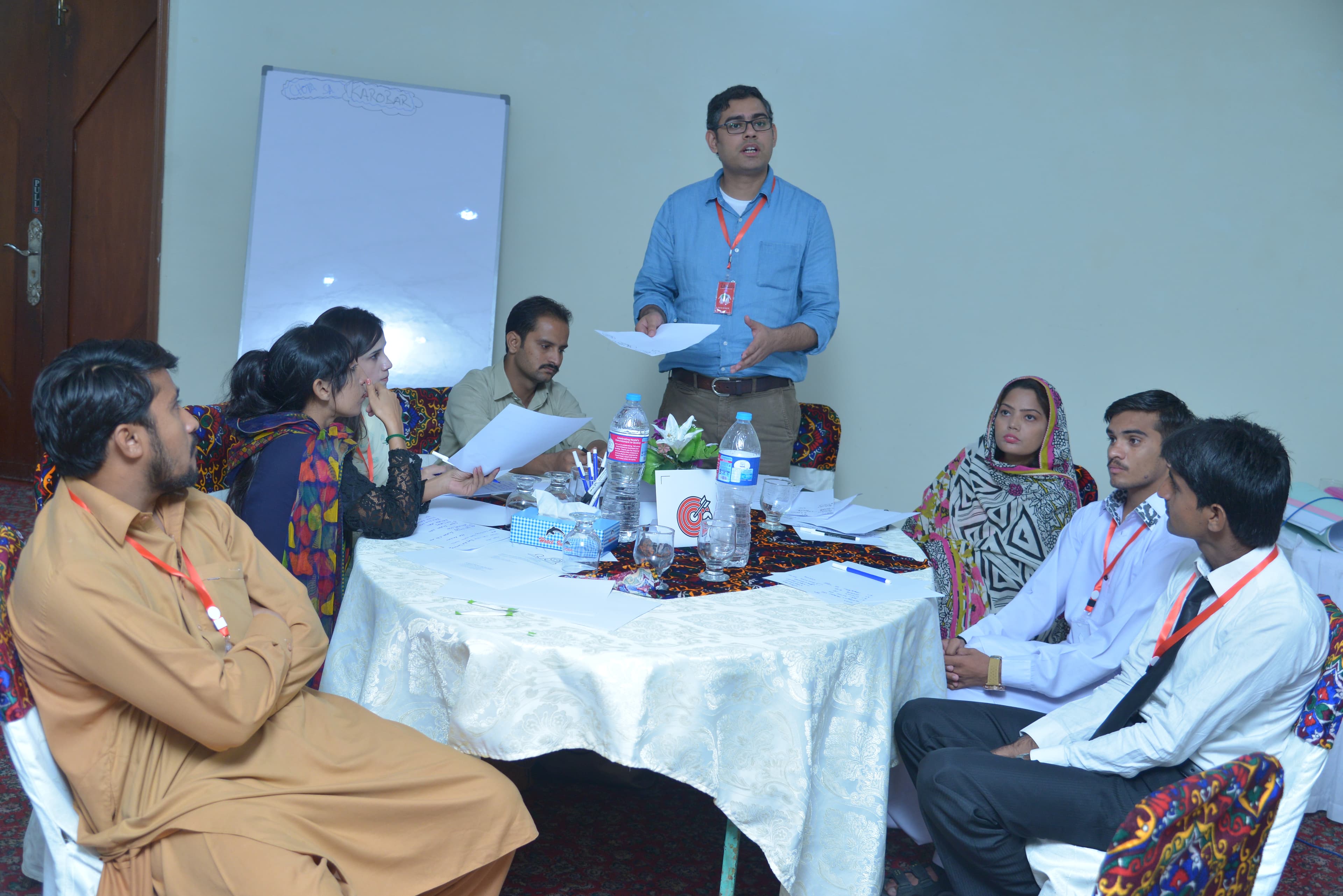
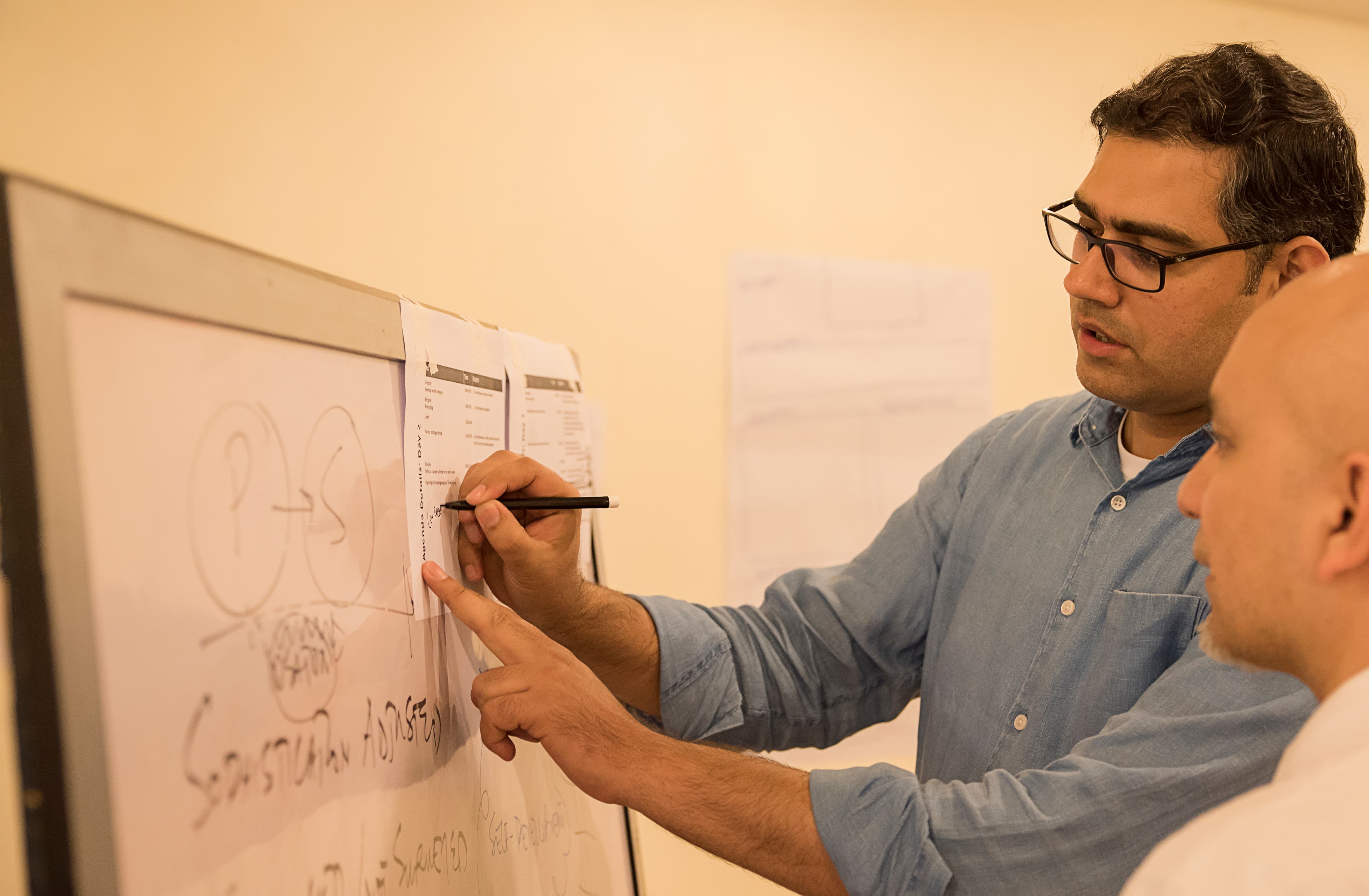
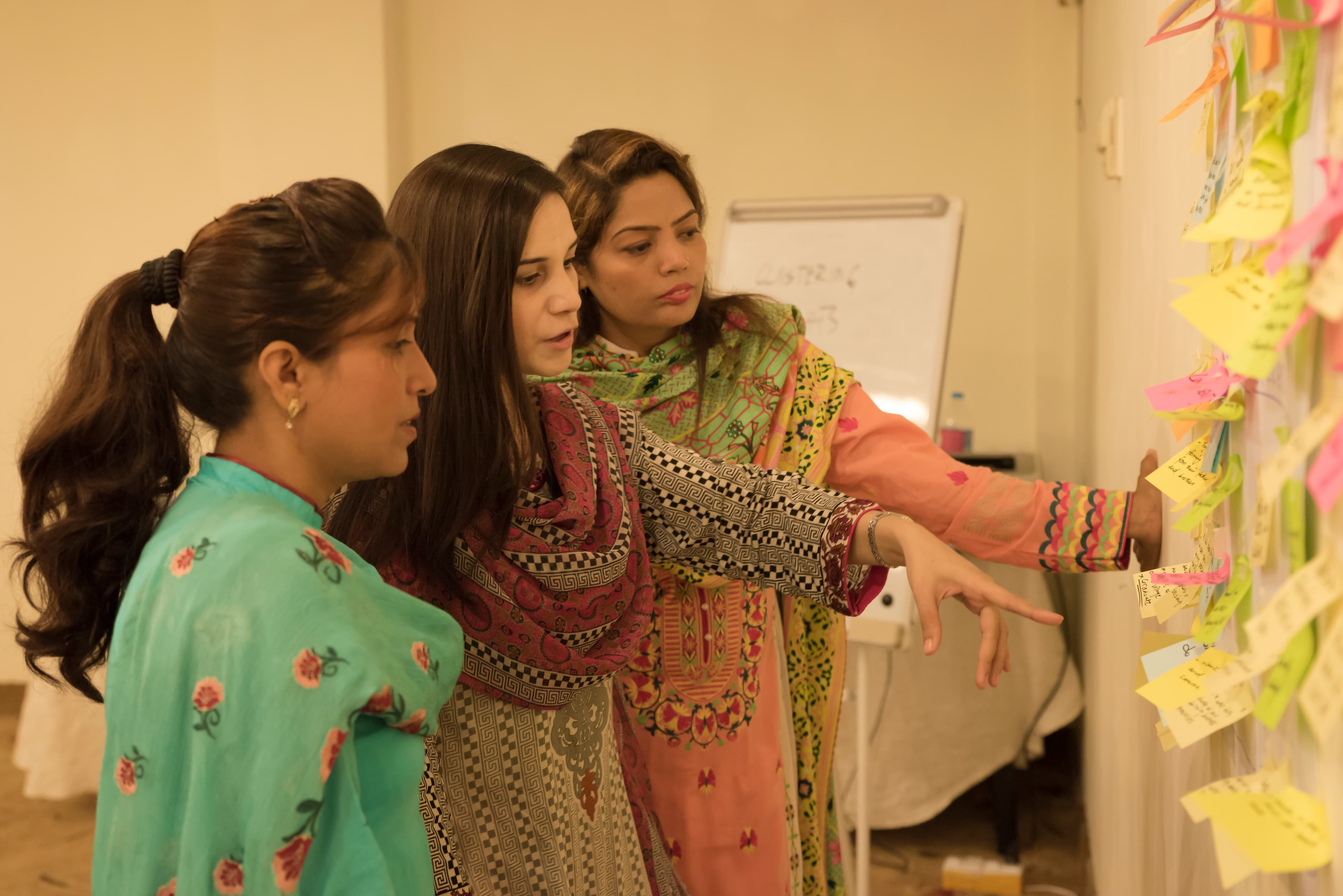
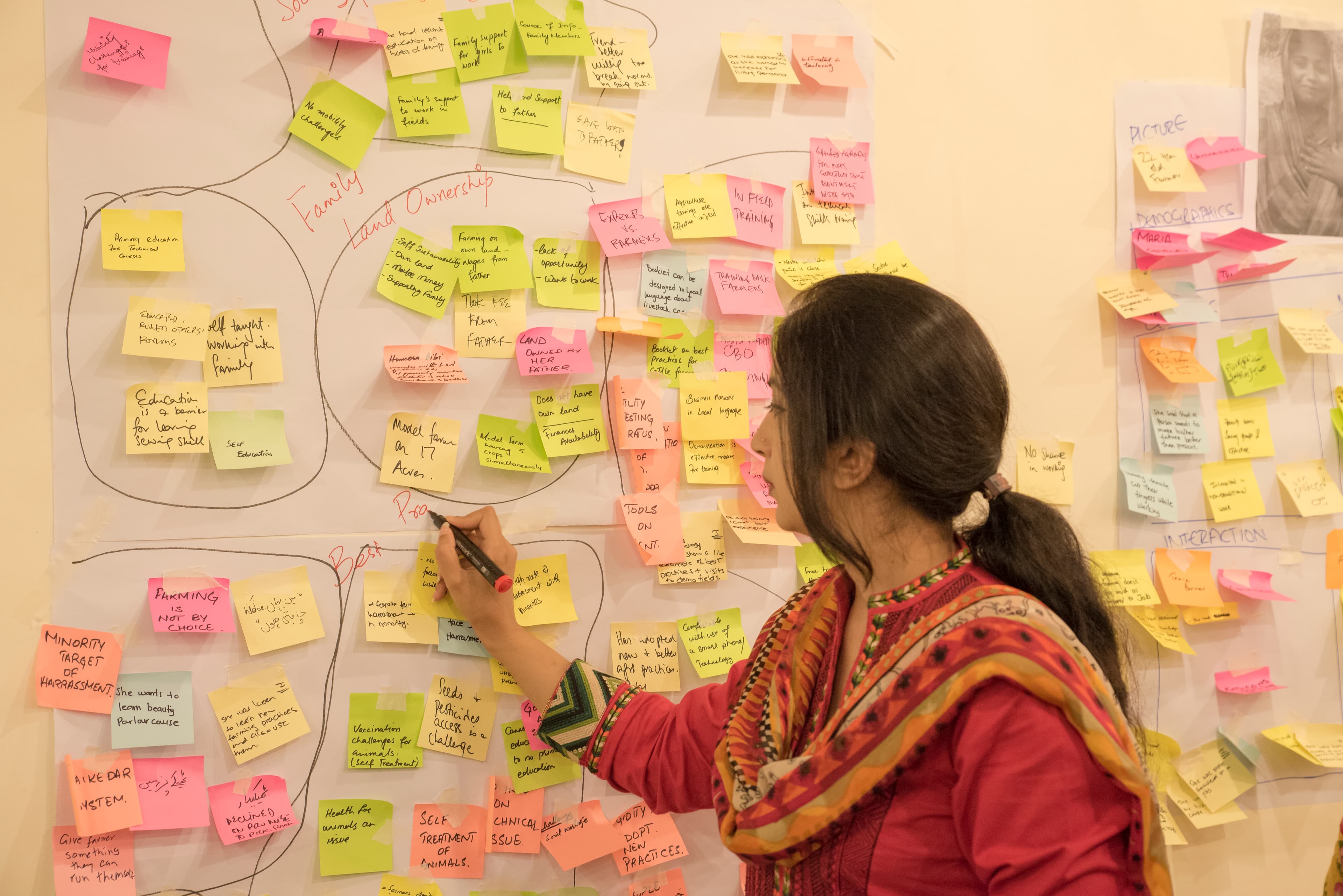
White Rice’s strategy was to treat the entire 5-year programme as something that needed to be designed before it was built. Rather than consulting, writing a framework, and handing it over, White Rice embedded itself in Oxfam’s implementation process, running quarterly workshops that moved through the full design thinking arc, and returning every three months to review what the field had taught, what needed to change, and how to improve.
The Impact
The proof of the 18-month investment was in the programme’s eventual reach and effectiveness. Over 10,000 young entrepreneurs and youth were enabled across semi-urban and rural communities in climate-affected areas of Punjab and Sindh. The programme was considered one of Oxfam’s most successful youth economic empowerment interventions, and a significant part of that success was attributable to the rigour of the design process that preceded it.
This project has not been done before in this way, because the development sector rarely allows the time or budget to genuinely interrogate a programme before deploying it. Oxfam and IKEA Foundation made a different bet. White Rice helped them win it.
The best programmes
are the ones that
fail first.
Eighteen months. Six design cycles. Countless iterations. And then a 5-year programme that worked, because it had already been run, tested, broken, and rebuilt before it was ever deployed at scale. That is what human-centred design looks like when an organisation has the courage to use it fully.