Clean & GreenPunjab Behaviour Change Programme
A province-wide social behaviour change intervention across five critical environmental and hygiene behaviours, designed to reach 2 million people directly and 34 million more through digital platforms, including through the height of COVID-19.
SBC Strategy & Programme Design Lead
White Rice designed and led the social behaviour change architecture for the Punjab government’s Clean & Green programme, working alongside UNICEF and building on the government’s existing community mobiliser network. Our mandate covered the full design cycle: formative research, SBC strategy, the Mitti 2 behavioural persona framework, FLW training, community activation, digital engagement, and village watch committee formation.
Key Outcomes
The Challenge
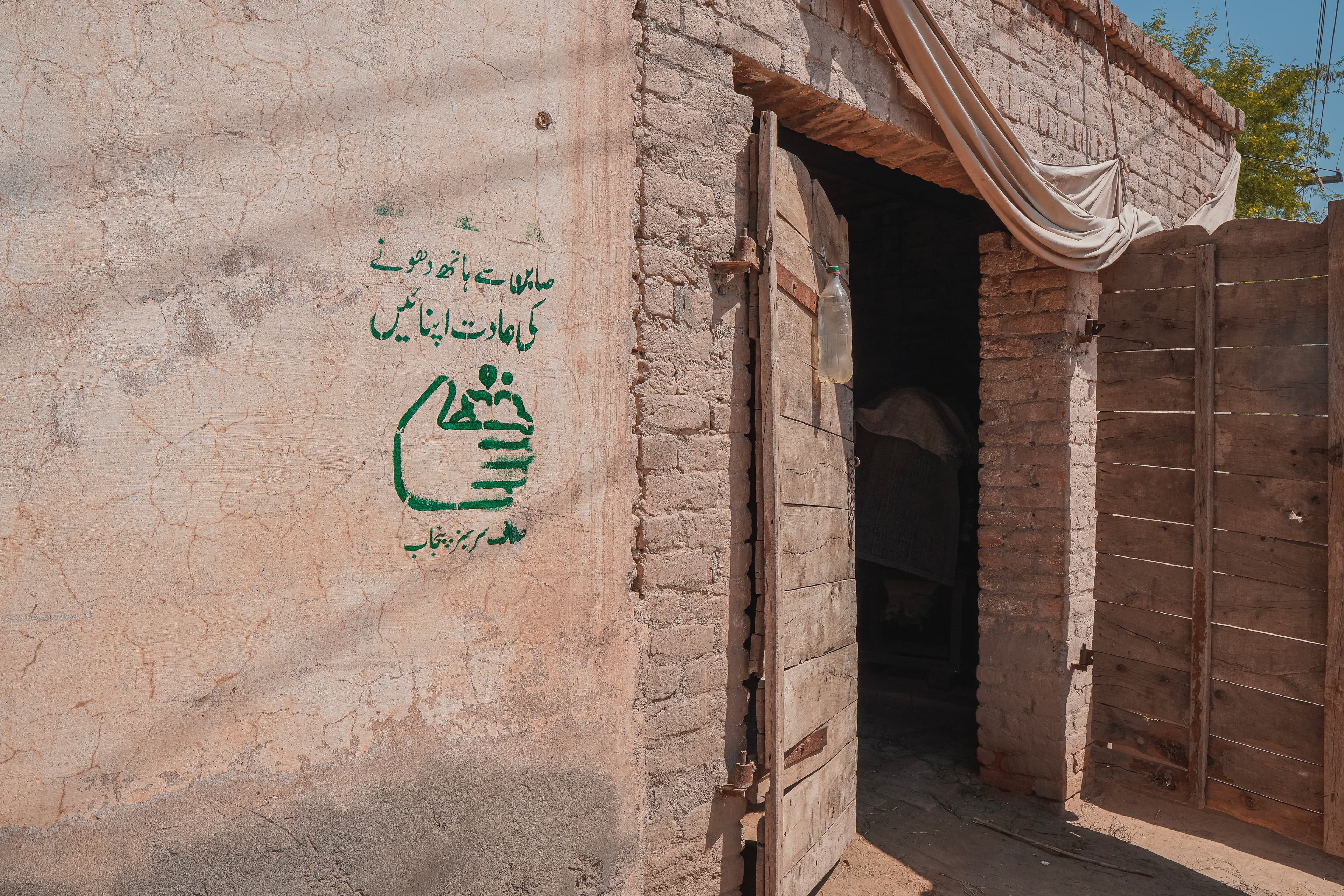
Punjab’s Clean & Green programme had a clear mandate: shift five critical environmental and hygiene behaviours across one of Pakistan’s most populous provinces. But the challenge was not simply scale. It was the deeper problem that every SBC practitioner eventually confronts: one-time behaviour change is easy. Long-term behaviour change is hard.
The government had an existing network of community mobilisers, but they lacked an SBC framework capable of driving durable change. The intervention had to be designed not just for reach, but for sustainability. And then COVID-19 arrived, threatening to make in-person community work impossible at precisely the moment the programme was gaining momentum.
“Getting a community to wash their hands once is a trick. Getting them to wash their hands every day for the rest of their lives. That requires changing what feels normal.”
The Strategy
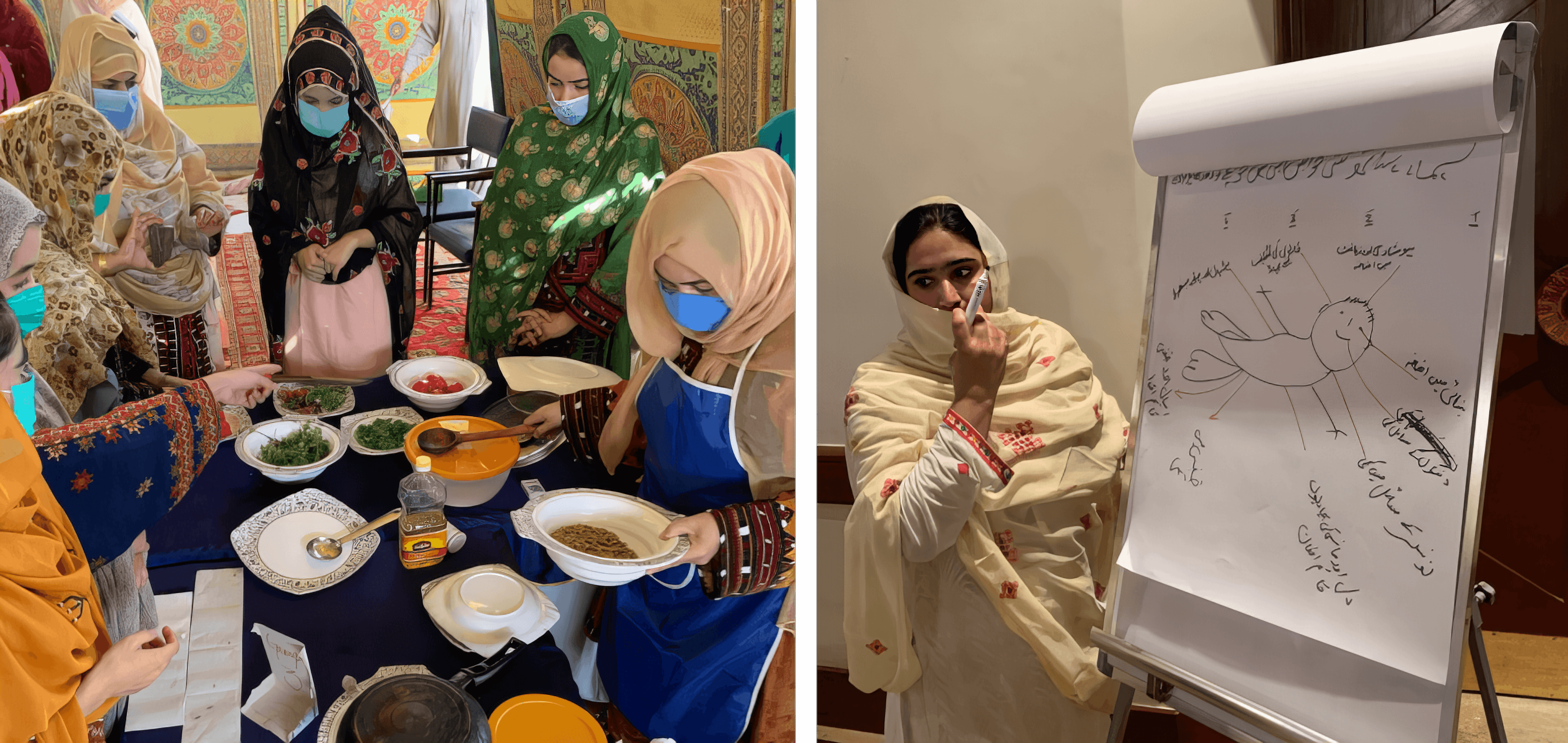
White Rice began with an intensive design research phase, going far beyond interviews and surveys. The team used immersive observational methods, spending days and nights with beneficiary households to map the full lifecycle of each target behaviour: where it happened, who influenced it, where it broke down, and what would make it stick.
The Intervention
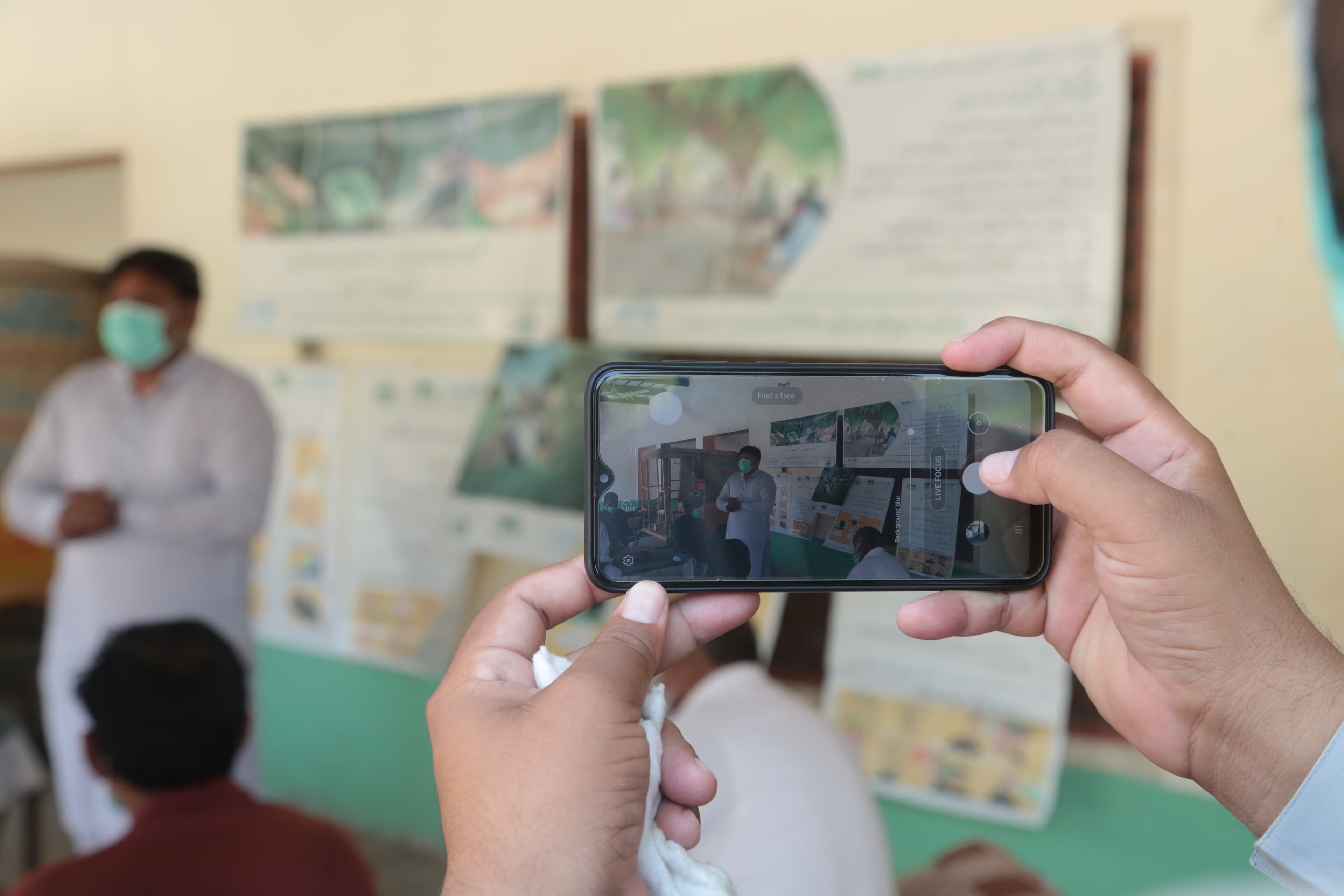
The intervention was built on the Punjab government’s existing community mobiliser infrastructure, but transformed it. White Rice trained the mobilisers on a comprehensive SBC methodology grounded in the Mitti 2 persona and the socio-ecological model, equipping them with tools and facilitation skills that the programme had never previously had access to.
Village watch committees were formed in communities across Punjab, becoming the custodians of the entire programme. These were not passive beneficiary groups; they were monitors, champions, and accountability mechanisms. Their formation ensured that the programme had a structural home within communities long after any formal intervention activities had concluded.
“We didn’t install behaviour change in communities. We activated the capacity for change that was already there, and then built the structures to keep it alive.”
When the world locked down, the programme went digital.
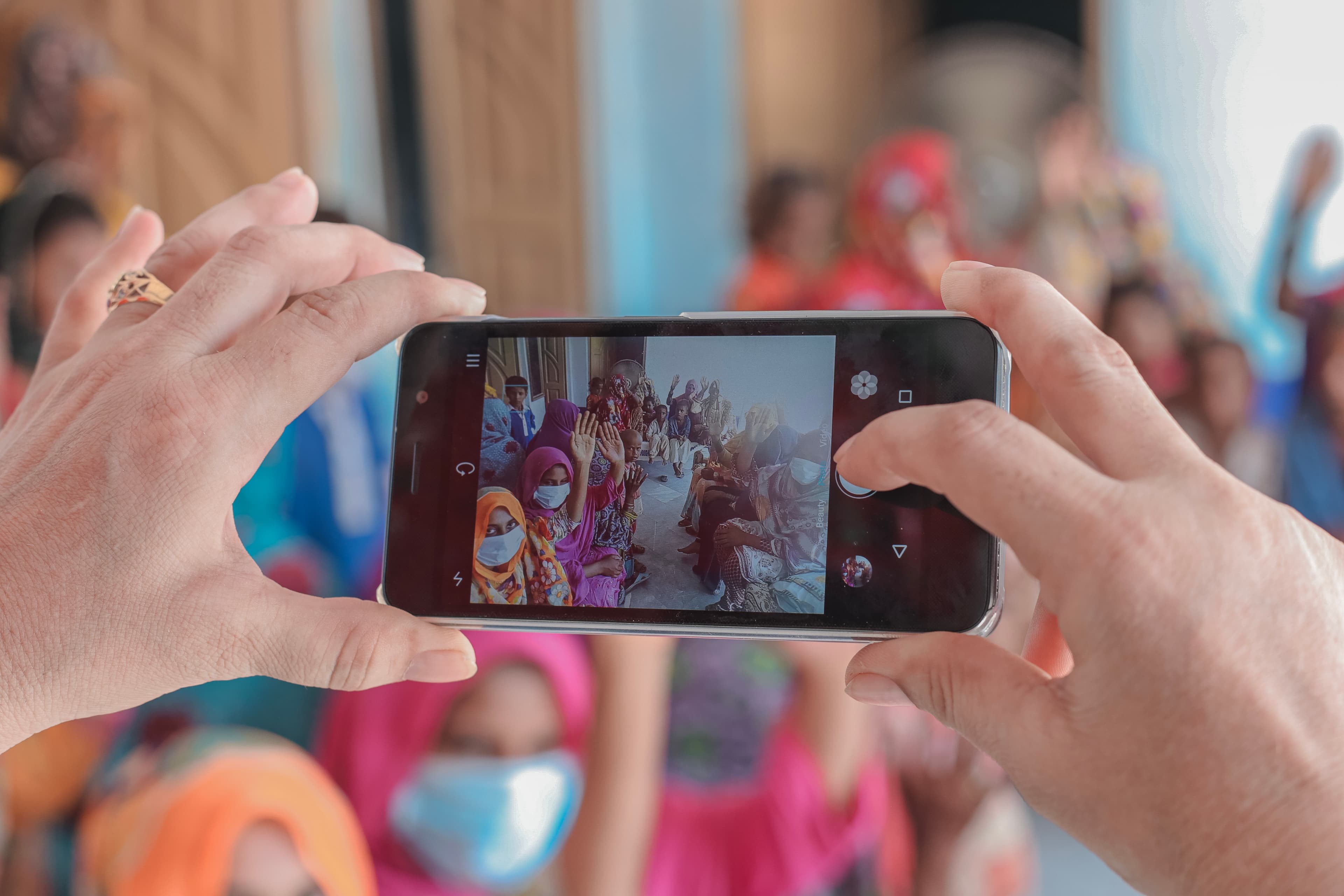
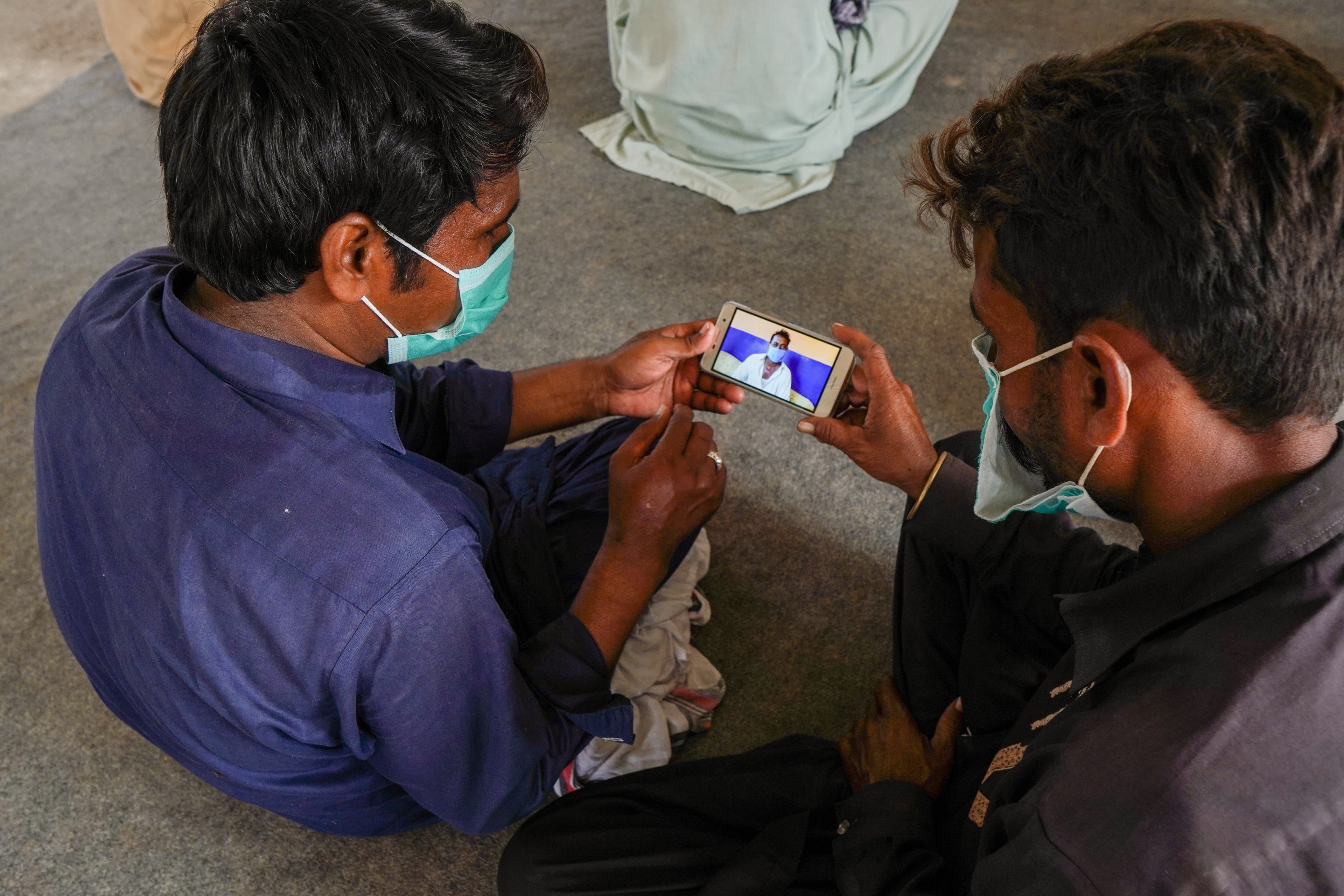
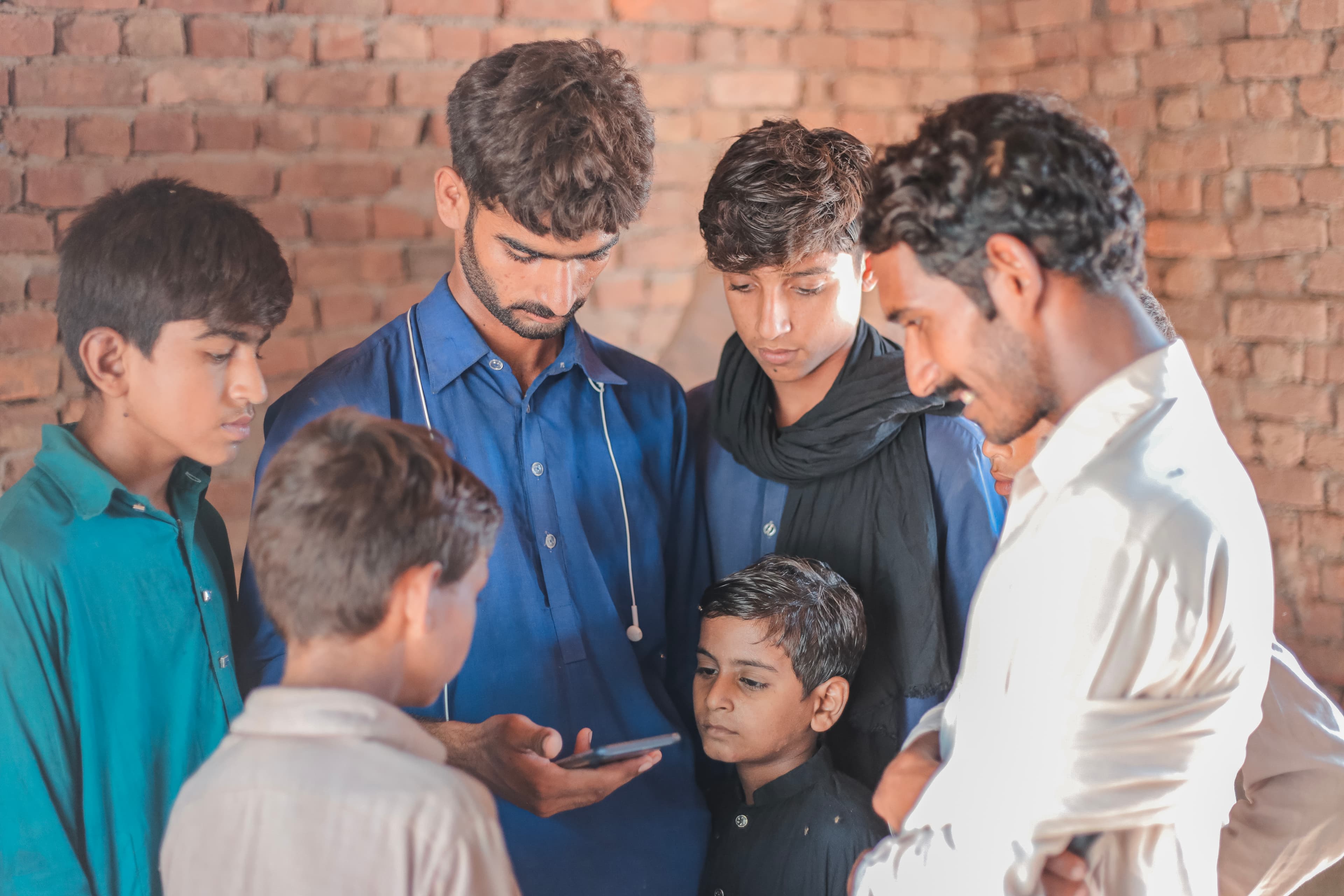
COVID-19 arrived mid-programme, making in-person community access near-impossible. Rather than pausing, White Rice redesigned the delivery model in real time. Young people within communities were identified and trained as digital access points, using mobile phones to deliver content, gather insights, and keep communities engaged when facilitators could no longer visit in person.
This was not a contingency. It became a strategic advantage. The digital layer reached audiences that physical programming never could, and the 34 million figure reflects the scale of what became possible when digital was treated as a primary channel, not a fallback.
The Impact
The programme reached at a scale that few SBC interventions in Pakistan have achieved, but scale alone was not the measure of success. The programme’s most significant impact was behavioural: communities constructed latrines and ended open defecation practices in measurable numbers, even during the economic strain of COVID-19.
“We didn’t install behaviour change in communities. We activated the capacity for change that was already there, and then built the structures to keep it alive.”
The Clean & Green Punjab programme demonstrated what becomes possible when SBC is designed for sustainability from the outset, when communities are treated as the engine of change, not the audience for it. The Mitti 2 framework, the village watch committee model, and the digital-first pivot represent replicable design innovations that have direct application to multi-behaviour, large-scale government programming across Pakistan and beyond.
One-time change is a trick.
Lasting change is a design problem.
Clean & Green Punjab proved that with the right behavioural framework, the right community infrastructure, and the right digital strategy, lasting change is achievable, even at provincial scale, even in a pandemic.