Make It
Possible.
A joint initiative between CARE International and Mastercard Foundation to connect Pakistan’s women micro-entrepreneurs with digital financial services, skills training, mentorship, and microfinance — through a research-led, aspiration-first campaign that reached 2 million people.
Research, Brand & Campaign Architecture
White Rice was brought in as the creative and research partner for the Mumkin programme — responsible for the entire arc from understanding to activation. We conducted the HCD research that revealed what micro-entrepreneurs in Pakistan actually needed (not what programme designers assumed), translated those insights into the Mumkin brand identity and campaign strategy, developed all brand assets, and launched a digital campaign that reached 2 million entrepreneurs — connecting them to the programme’s financial, training, and mentorship resources.
Programme Ecosystem · Four Partners, One Goal
A coalition built to take micro-entrepreneurs
from aspiration to actual growth.
Funder & Programme Originator
Mastercard Foundation
The Strivers Programme — Mastercard’s global initiative engaging young entrepreneurs, especially women, in accessing digital financial services and scaling their businesses.
Implementing Partner
CARE International Pakistan
Joint venture lead — responsible for programme design, on-ground implementation, and connecting the programme’s resources with Pakistan’s micro-entrepreneur communities.
Financial Services Partner
UBank · U Microfinance Bank
Loan and digital financial services provider — giving entrepreneurs access to microfinance, digital banking, and credit products specifically designed for Pakistan’s micro-enterprise market.
Training Delivery Partner
Specialised Training Agency
On-ground training cascade — delivering the skills enhancement programme to micro-entrepreneurs across cohorts, in person and digitally.
White Rice Role
HCD Research · Brand · Campaign
Understanding the entrepreneur’s real journey, translating it into the Mumkin brand and identity, and designing the digital campaign that connected 2 million entrepreneurs with the programme
Key Outcomes
Mumkin is a single word that does the work of an entire aspiration. In Urdu, it means both that something is possible and that you can make it happen — collapsing the distance between dreaming and doing. Named from the HCD research that showed Pakistan’s women micro-entrepreneurs didn’t lack ambition or capability. They lacked access, connection, and the confidence that their dreams were within reach. Mumkin told them: they are.
The Challenge
Pakistan’s micro-entrepreneur landscape is vast, diverse, and systematically underserved. Women who run small enterprises — from tailoring and food preparation to handicrafts and home-based retail — are often the primary or sole income earners in their households, but operate entirely outside formal financial systems, without access to credit, digital commerce, or business development support.
The challenge for the campaign was as much about perception as it was about access. Many of these women had never been told that formal financial services, business training, or digital commerce were options available to them. The programme existed. But without a compelling, aspirational, and culturally resonant campaign to connect women with it, it would reach only those who were already connected — not the millions who needed it most.
White Rice’s specific challenge was to translate what we learned in the HCD research — the real barriers, the real aspirations, the real language women used to talk about their businesses — into a brand and campaign that felt like it was built for them, not deployed at them.
These women were not running businesses despite every barrier. They were running businesses because of their own resourcefulness. The programme’s job was not to teach them to be entrepreneurs. It was to remove the obstacles that were limiting the entrepreneurs they already were.
Human-Centred Design Research · Understanding the Entrepreneur’s Real Journey
Before we built the campaign,
we listened to the women it was built for.
Phase 1
Field Immersion
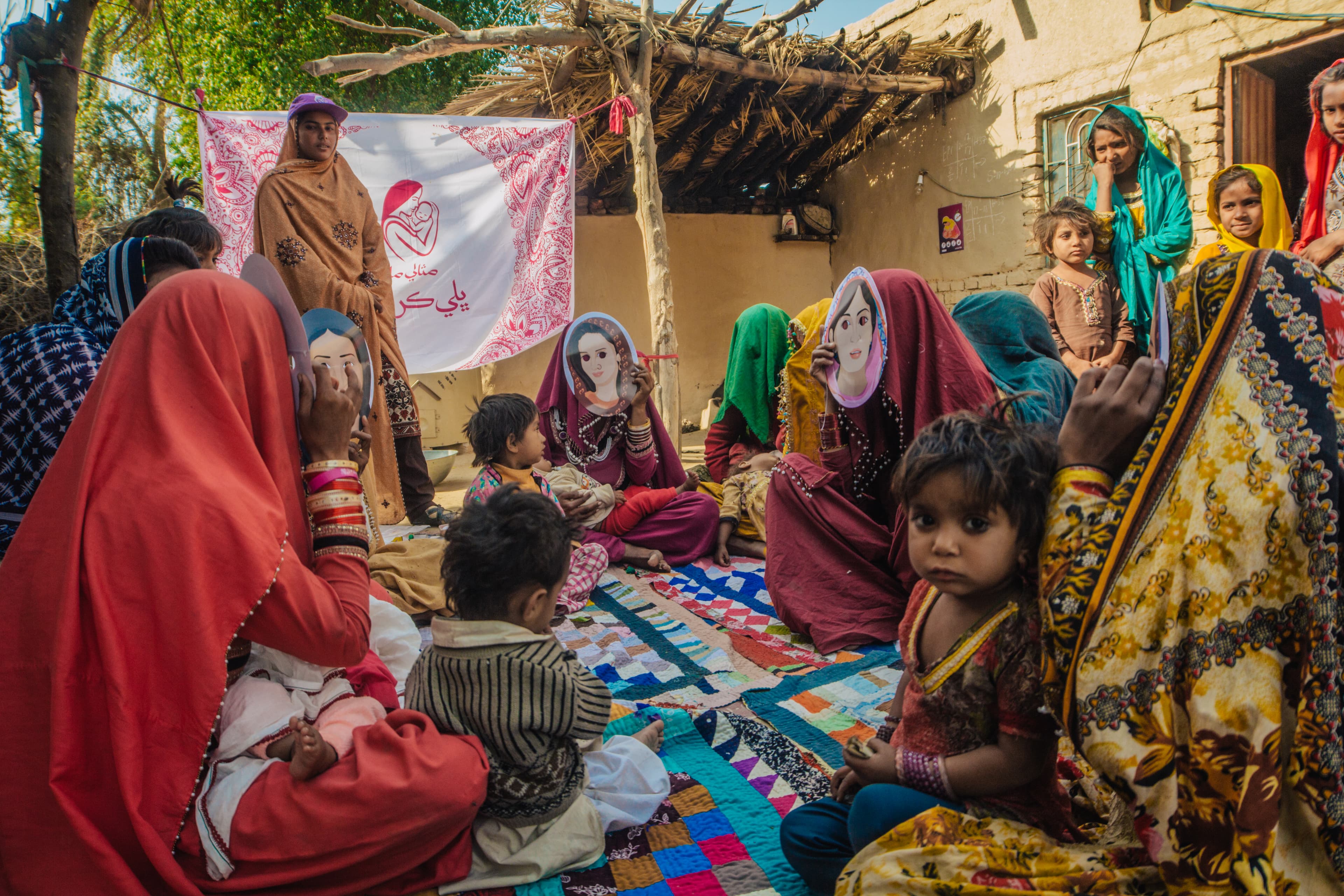
Embedded research with women micro-entrepreneurs across diverse contexts — urban, peri-urban, and rural — observing their businesses, homes, and daily routines
Phase 2
Journey Mapping
Mapping the complete entrepreneur journey — from the first idea to current operation — identifying every barrier to growth, every moment of friction, and every unmet need
Phase 3
Barrier Analysis
Identifying the specific challenges blocking growth: access to credit, digital literacy gaps, market connectivity, mobility constraints, family dynamics, and confidence
Phase 4
Aspiration Research
Understanding what these women wanted their businesses — and their lives — to look like. The dreams that were driving them, and the language they used to articulate them
Phase 5
Insight Translation
Translating field learnings into design principles for the Mumkin brand, campaign strategy, and programme communication — ensuring every decision traced back to a real insight
Access ≠ Awareness
Microfinance and digital financial services existed — but most women had never been told they were eligible, or what applying would actually look like. The barrier was not availability. It was the invisibility of the pathway.
Aspiration is the entry point
No programme messaging about “micro-credit” or “financial inclusion” moved these women. What moved them was the possibility of their dream becoming real — the daughter’s education, the bigger shop, the machine. Connect to the dream first.
Peer trust over institutional trust
Women trusted women who were like them more than they trusted programme messaging. The most credible voice for Mumkin was not CARE or Mastercard — it was a woman from the same neighbourhood who had already accessed the programme.
Entrepreneur Archetypes · Who Mumkin Was Built For
Three women. Millions of stories that sound like theirs.
The Home-Based Maker
She runs her business from her kitchen and her community
Embroidery, tailoring, baking, food preparation — skills she has had for years, turned into income that her household depends on. She works within the limits of her mobility, her family’s expectations, and her existing relationships.
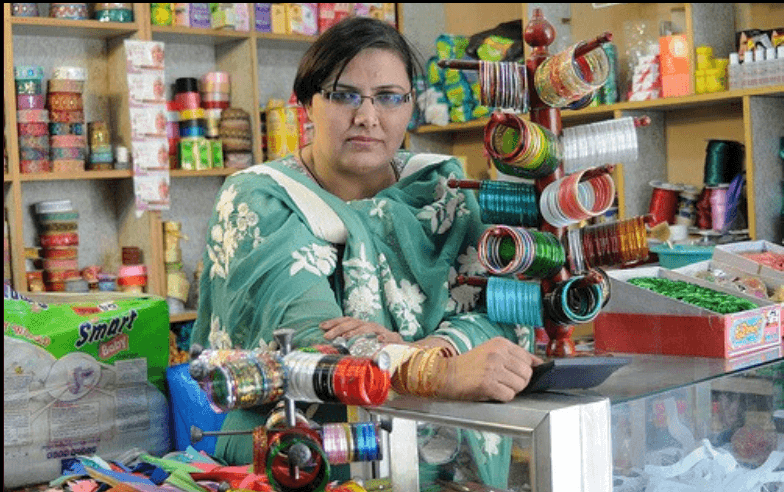
The Small Shop Owner
She has premises, inventory, and loyal customers — and a ceiling she can’t break through
A small retail business — general goods, clothing, groceries — that she has built with her own resources over years. The business is real, the customers are real, but growth requires capital she cannot access through formal channels.
The Aspiring Starter
She has the idea, the skill, and the drive — and has never been told the resources exist
She has been thinking about starting a business for months or years. She has the skill, the market knowledge, and the motivation — but no starting capital, no training on running a business, and no one who has shown her the path.
The Mumkin Programme · What Entrepreneurs Gained Access To
Everything they needed.
Nothing they didn’t.
Financial Access
Microfinance & Digital Banking
UBank microfinance products — loans, digital accounts, and mobile banking — specifically designed for women micro-entrepreneurs. Removing the gatekeeping that had kept formal finance inaccessible.
Skills Development
Business & Digital Training
In-person and digital training delivered in cohorts — covering business fundamentals, digital commerce, marketing, and financial management. Practical and accessible.
Peer Support
Mentorship & Networks
Cohort-based learning creating peer networks among women entrepreneurs. Mentorship from established business women. The social infrastructure that turns isolated micro-enterprises into a connected community.
Market Access
Digital Commerce Pathways
Connections to digital platforms, e-commerce channels, and expanded market networks — giving entrepreneurs the tools to sell beyond their immediate neighbourhood.
Digital Campaign · From Research to 2 Million Reach
An aspirational campaign
built from the
inside out.
The Mumkin digital campaign was the culmination of the HCD research — every creative decision traced back to something a real entrepreneur had said, felt, or shown us. The campaign was aspiration-first: it led with the dream, not the product.
The campaign’s job was not to explain the programme. It was to make women feel seen — and then give them a path forward. The brand assets, content strategy, and digital channel mix were all designed with one objective: reaching the right women, in the right moment, with a message that felt like it was meant for them.
Brand Identity
Complete Mumkin brand system — name, visual identity, colour language, typography, and tone of voice — built from HCD research insight
Brand Asset Suite
Full suite of digital and print campaign assets — social content, video, photography direction, messaging templates, and on-ground materials
Digital Content Programme
Ongoing content produced to keep entrepreneurs engaged — success stories, practical tips, programme updates, and peer testimonials
2 Million Entrepreneurs Reached
The digital campaign’s reach — connecting women across Pakistan with the Mumkin programme’s financial services, training, and mentorship
The Impact
Mumkin demonstrated what happens when you design a programme’s communication from the inside out — starting with deep understanding of the people you are trying to reach, and building the brand and campaign from that understanding rather than from institutional assumptions about what micro-entrepreneurs need to hear.
Micro-entrepreneurs in Pakistan don’t need to be taught ambition. They need to be shown the door that was always there but never pointed out. White Rice’s job was to find that door in the research, name it with a brand, and open it wide enough that 2 million women could walk through.
She always knew
what she wanted
to build. Mumkin showed her
she could build it.
Micro-entrepreneurs in Pakistan don’t need to be taught ambition. They need to be shown the door that was always there but never pointed out. White Rice’s job was to find that door in the research, name it with a brand, and open it wide enough that 2 million women could walk through.