Nurturing Change
A community-driven behaviour change programme that shifted nutrition and WASH practices among 100,000 mothers, and kept those behaviours alive long after the intervention ended.
SBC Design & Implementation Lead
White Rice led the full programme cycle: formative research, SBC strategy, the design of the Kahani Asani Adehani behaviour change model, frontline worker training, community activation, real-time monitoring, and evaluation. We didn’t deliver a campaign. We designed a behaviour change system.
Key Outcomes
The Challenge
Child stunting in Sindh had been chronic for generations. The behaviours driving it were well-documented: inadequate infant feeding, poor WASH practices, delayed healthcare. But the problem wasn’t information. Mothers knew the nutrition guidance. They were operating within household systems that stopped them from acting on it.
Mothers-in-law made feeding decisions. Husbands controlled household resources. Standard awareness campaigns had already failed. The programme needed to design for the full ecosystem of influence around the mother, not just the mother herself.
Stunting is not just a nutrition problem. It’s a behaviour problem, rooted in social norms, household power dynamics, and the absence of conditions that make change possible.
The Strategy
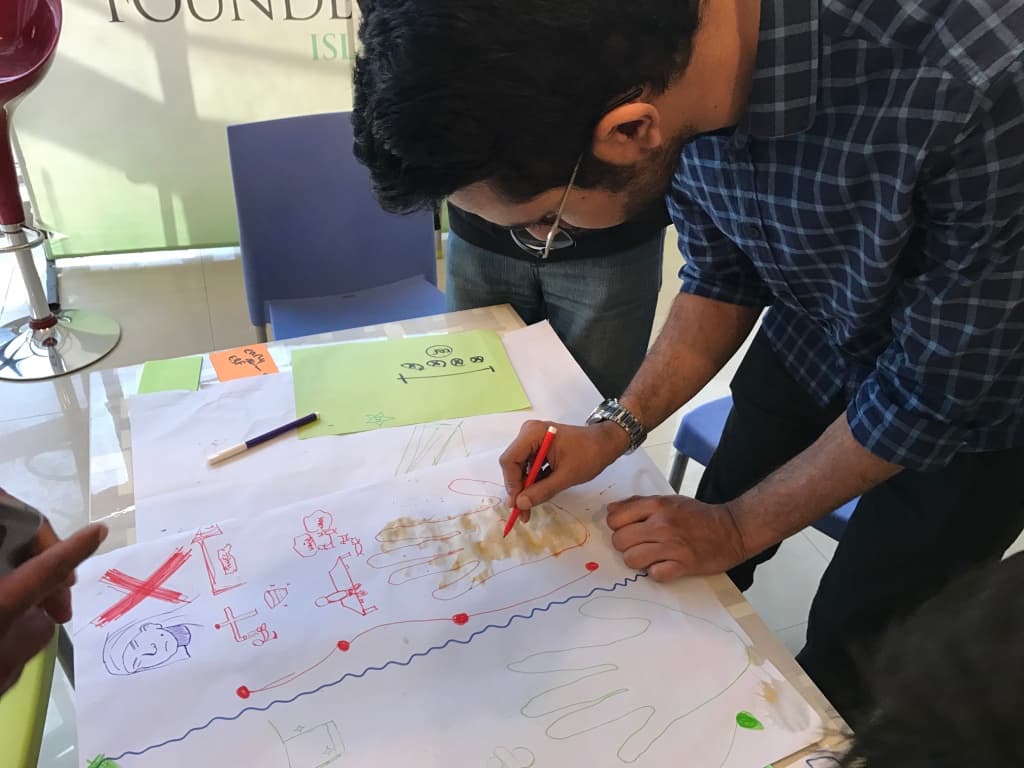
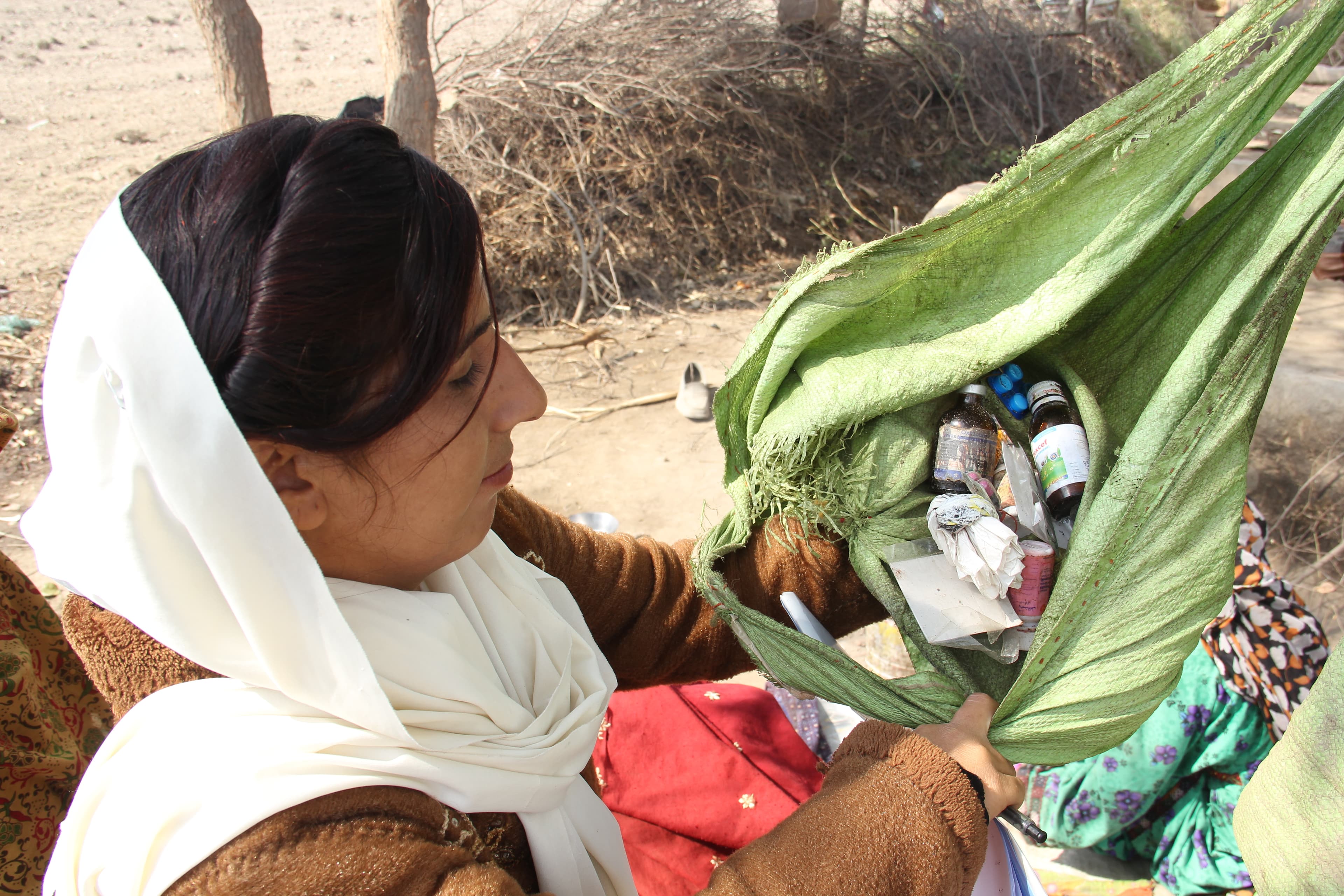
The programme began with a deep investment in formative and design research, mapping the behavioural landscape across all three districts before a single session was designed. The focus: not just what behaviours needed to change, but who influenced them and where change was actually possible.
The Intervention
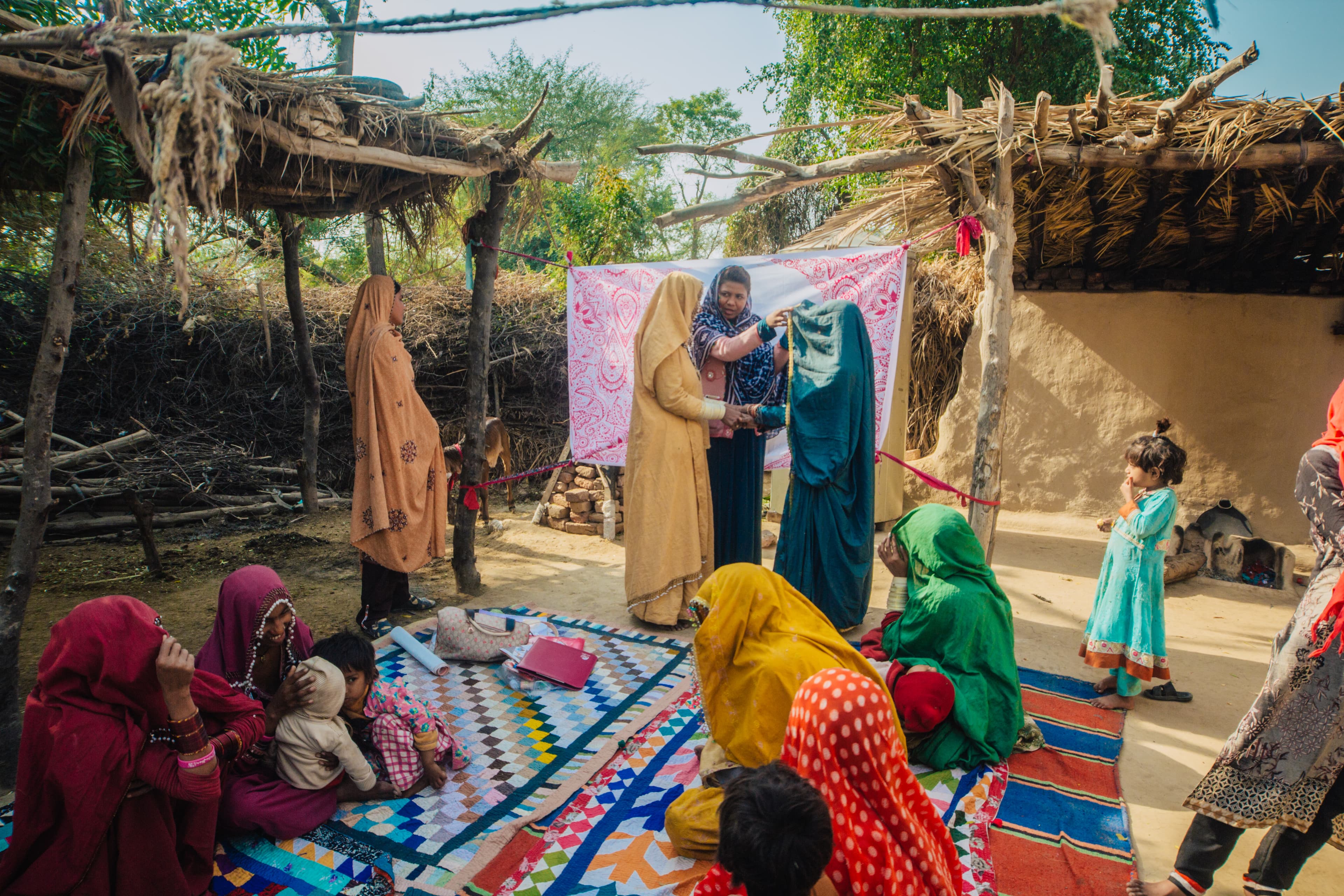
At the heart of the programme was Kahani Asani Adehani — “Story, Ease, Habit” — a behaviour change model White Rice developed by contextualising international SBC frameworks (BGFOG, BMAP) for rural Sindh. It worked on three levers: making new behaviours emotionally compelling through narrative, removing barriers through ease, and locking in practice through habit reinforcement.
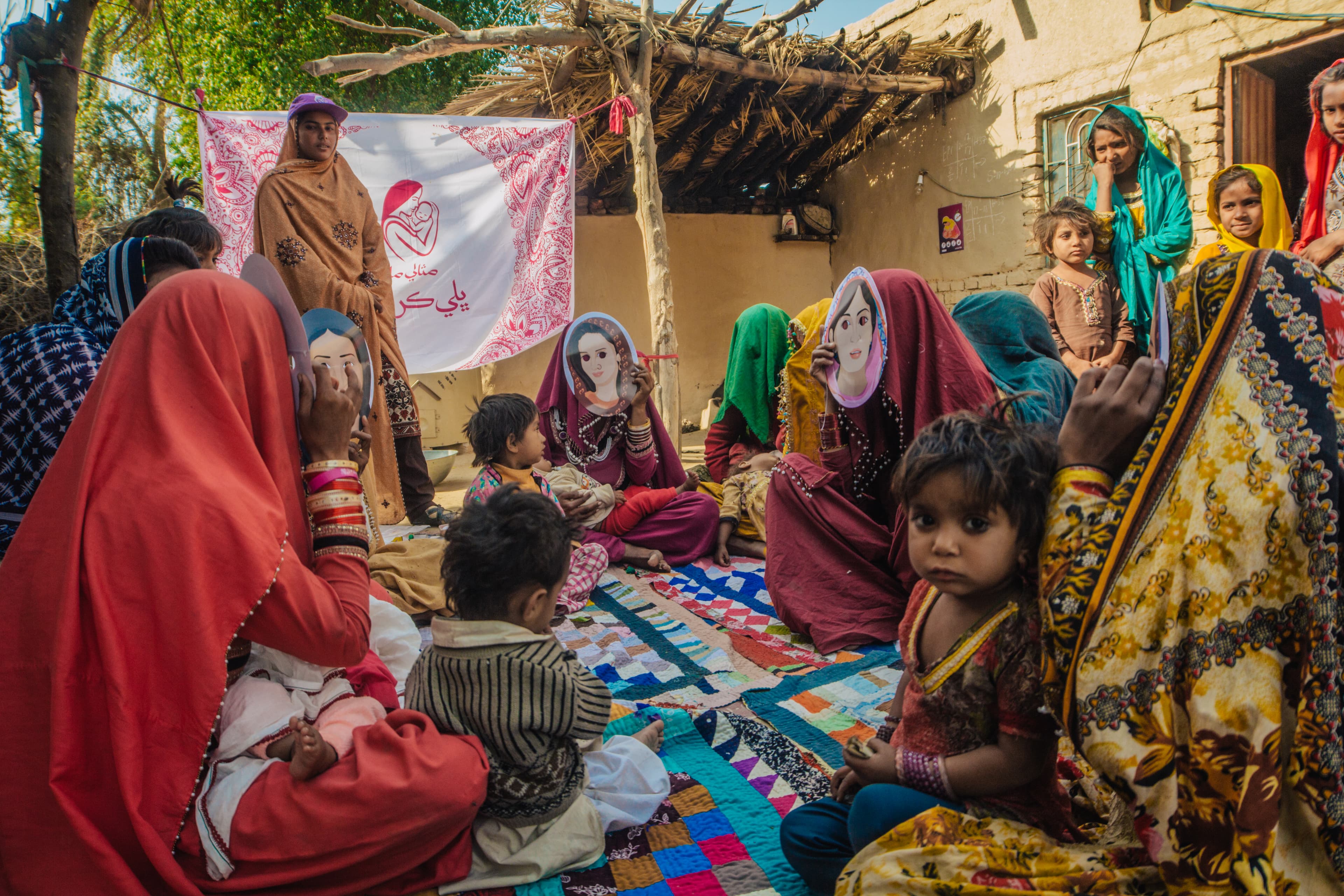
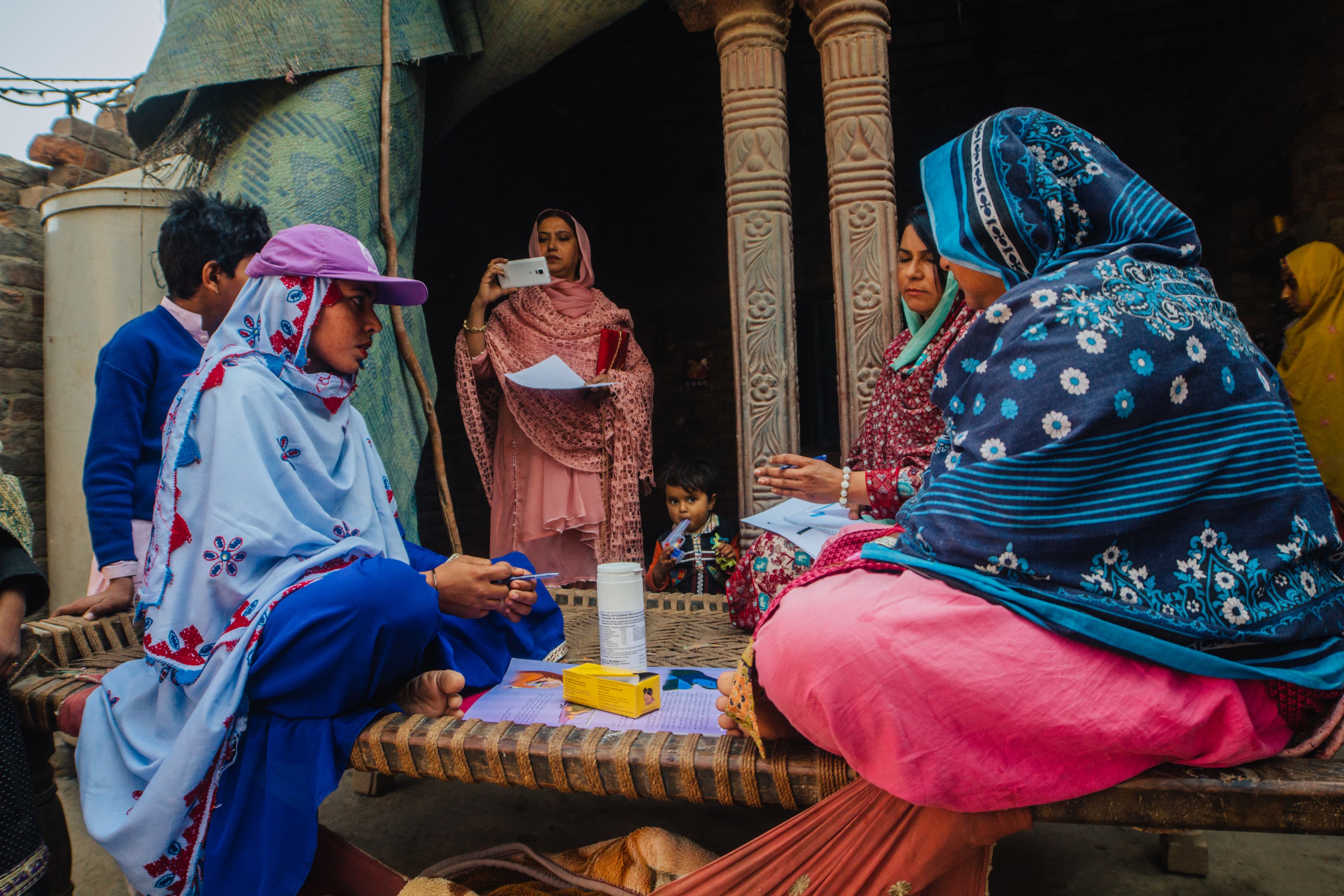
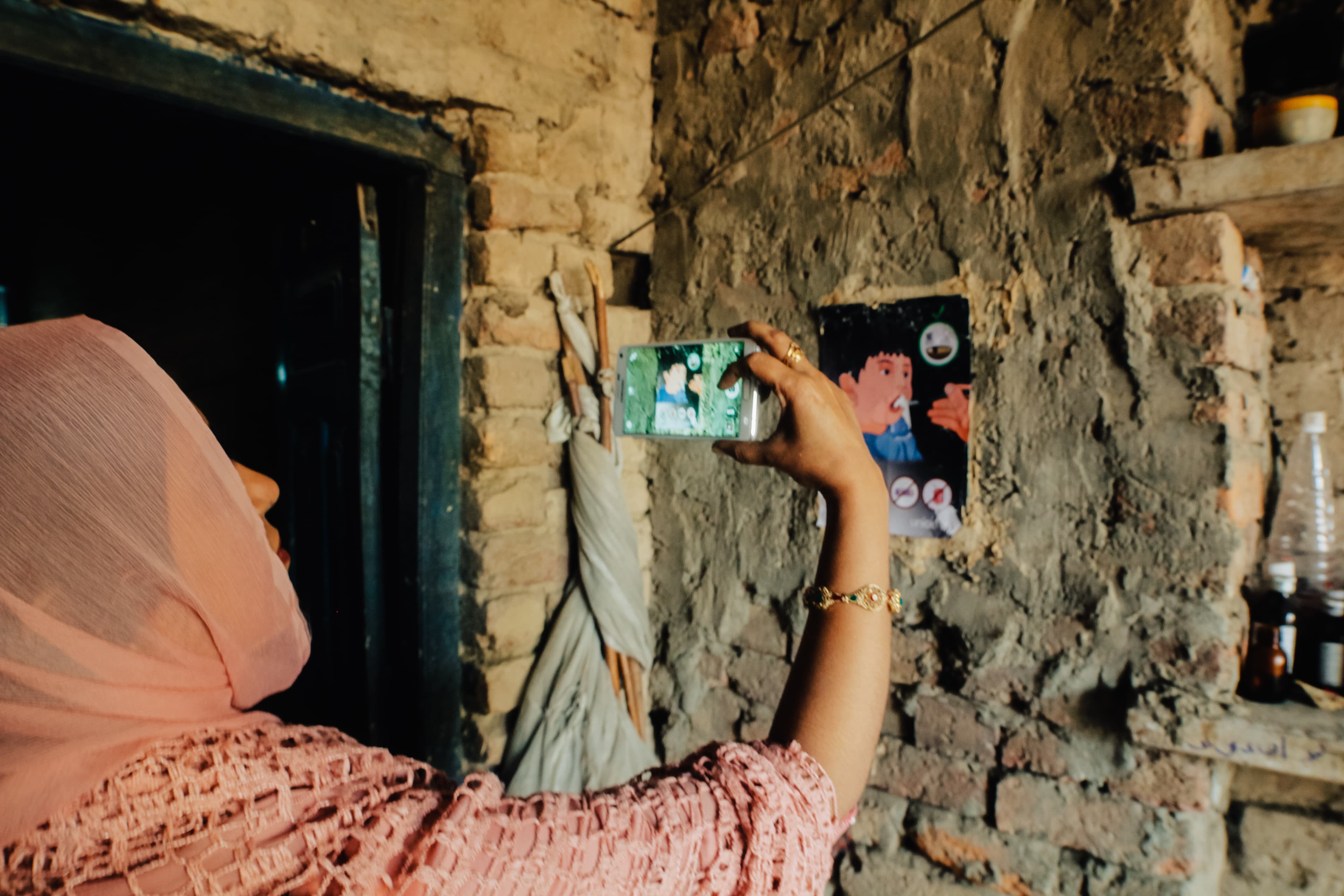
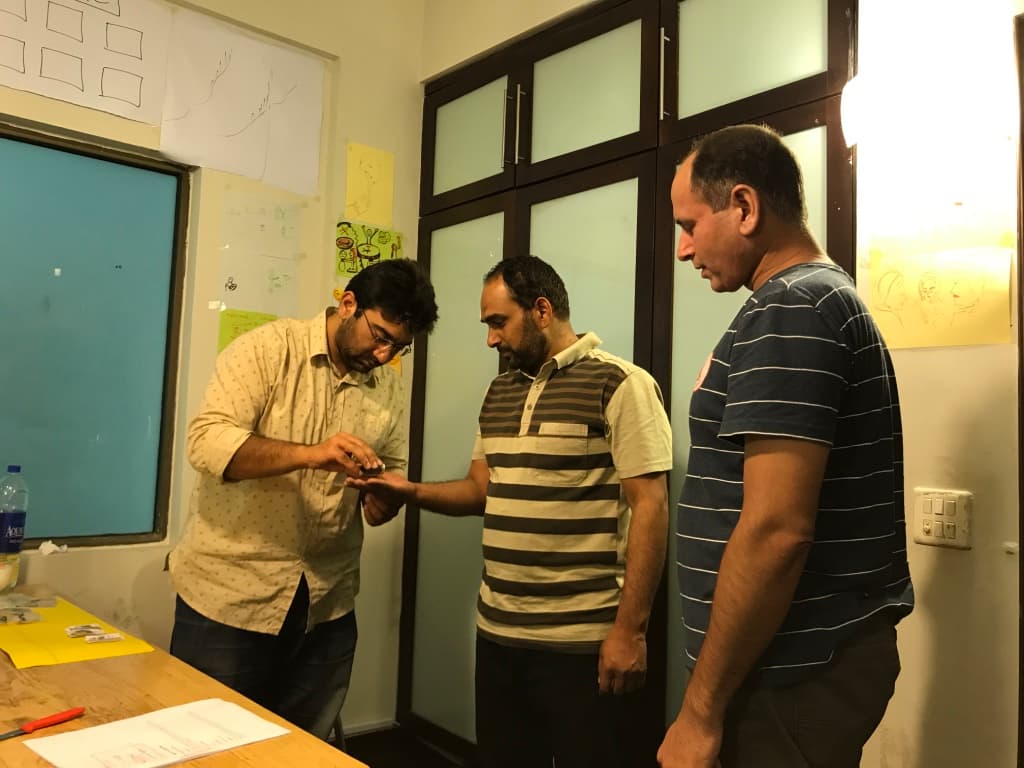
Group sessions brought mothers and mothers-in-law into the same room. That was a deliberate choice: shared understanding instead of splitting the intervention by generation. Household visits by trained frontline workers addressed barriers where they actually lived, in the home, in real time, without the distance of a clinic or a community hall.
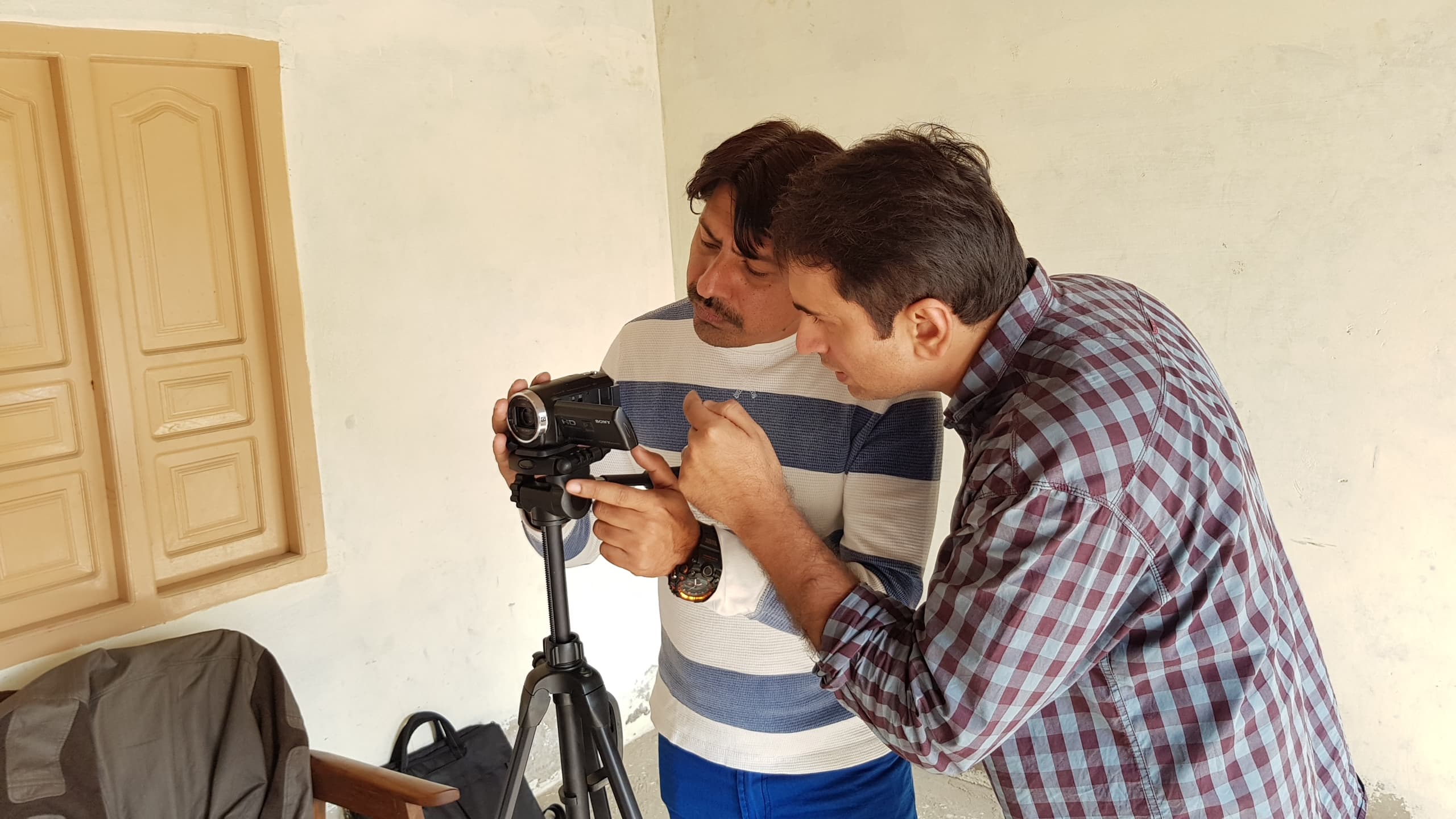
Throughout the 12-week pilot, White Rice ran a real-time monitoring system that surfaced implementation challenges as they emerged. Not in a retrospective report. In the field, allowing continuous course-correction and quality improvement.
We didn’t tell mothers what to do. We created the conditions in which doing it felt possible, normal, and worth the effort.
The Impact
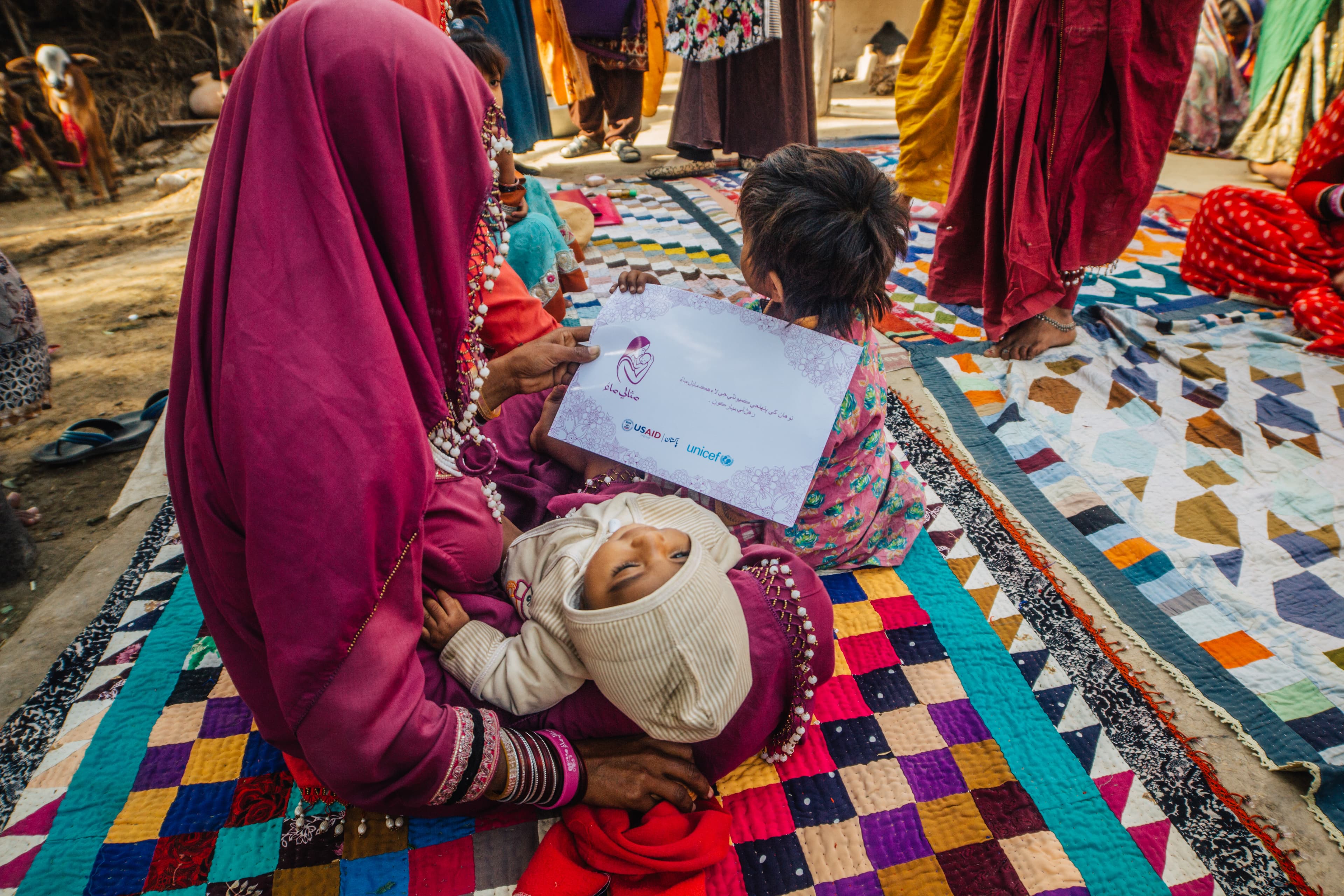
Eight months after the intervention, White Rice returned with the Most Significant Change (MSC) technique, a participatory qualitative evaluation in which 11,000 mothers were convened in story circles to share what had genuinely shifted in their lives. It was one of the largest qualitative follow-up evaluations of its kind conducted in Pakistan.
Government adoption is the programme’s most durable measure of success. It signals the model was not just effective, but replicable and ownable. Delivered over a decade ago under significant resource constraints, it remains a landmark in evidence-based, community-driven SBC design in Pakistan.
Change that endures isn’t delivered.
It’s designed.
Nurturing Change showed that when you design for the whole household, and build the right conditions around people, change takes root and stays.