Designing for
Girls.
Building for Scale.
A four-country USAID-funded accelerator programme — where White Rice led Pakistan’s cohort of seven startups through deep human-centred design research, user testing, and value proposition development, helping ventures targeting girls aged 10–19 become genuinely user-ready.
HCD Research, Prototyping & Startup Design Partner
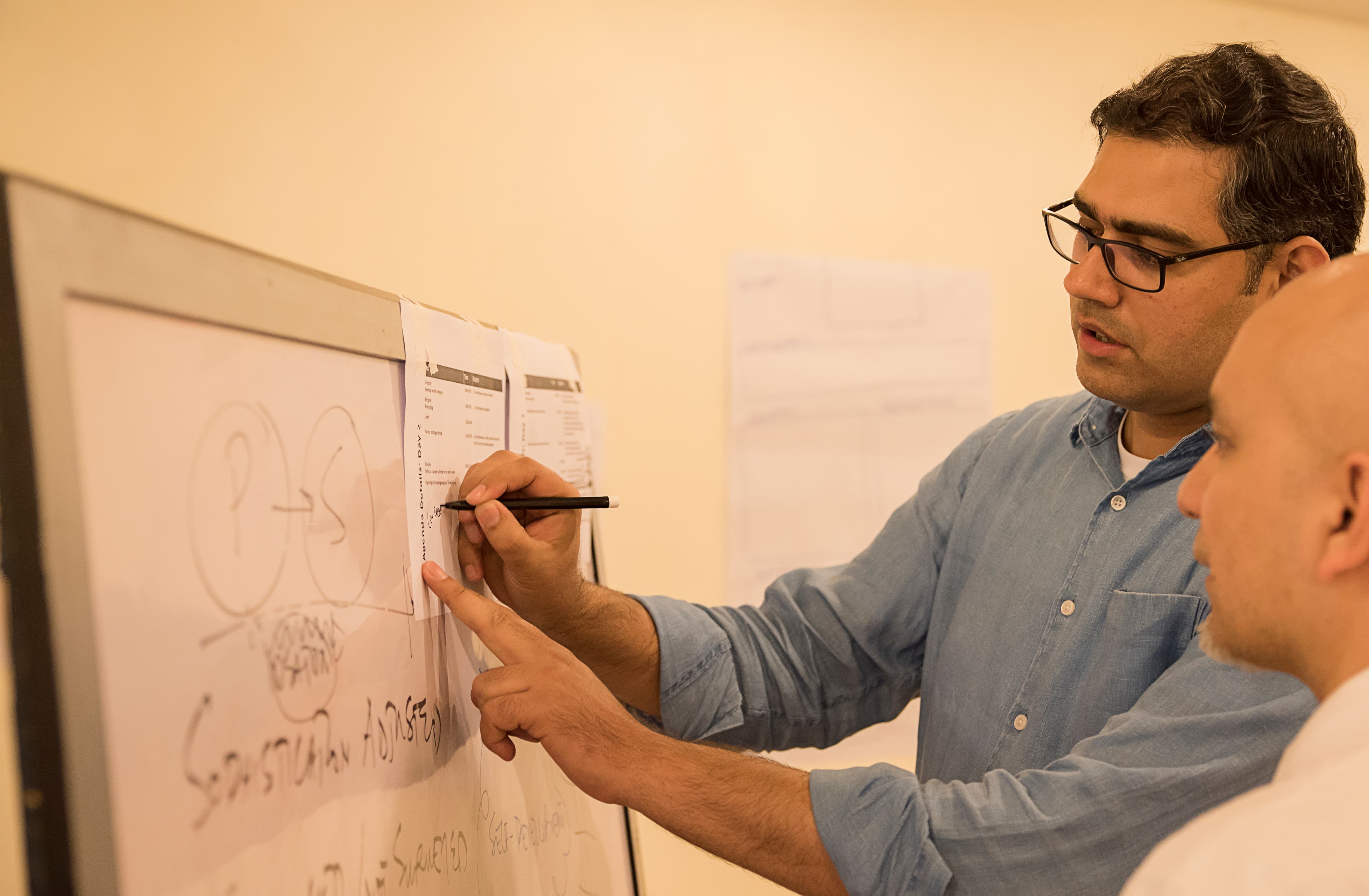
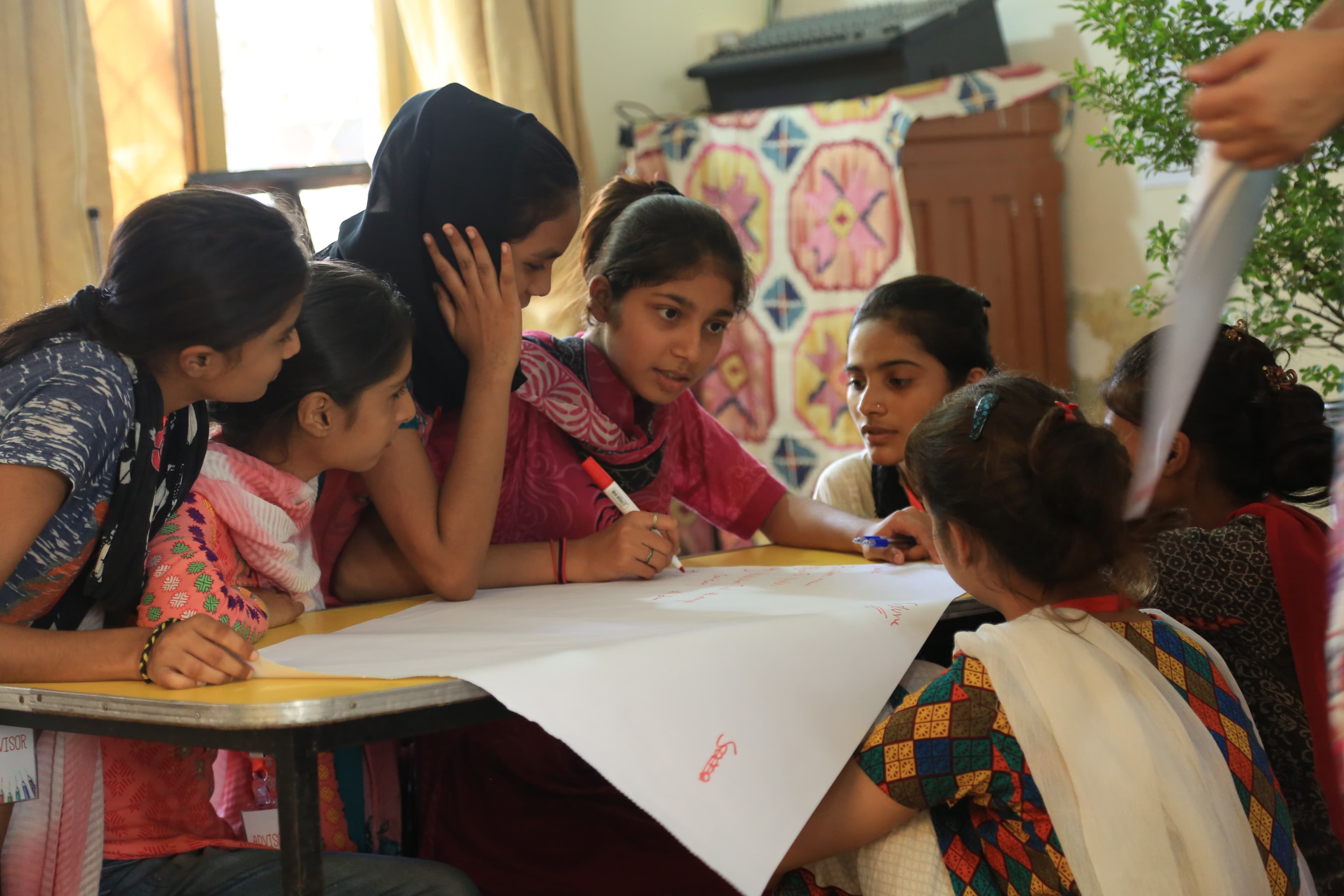
White Rice served as the human-centred design partner for Spring Accelerator’s Pakistan cohort — working directly alongside seven startups to map user journeys, prototype solutions, conduct live user testing, and sharpen value propositions for products and services targeting girls aged 10 to 19. As part of a four-country global consortium led by Proportion Netherlands, we also contributed to cross-country learning exchanges, including a team visit to Nepal for methodology sharing and cohort showcasing.
Key Outcomes
Global Consortium · Four Countries · One Mission
Pakistan
White Rice as HCD Partner · 7 startups · Led by White Rice
Nepal
Cross-learning hub · White Rice team visited for methodology training and cohort showcase
Kenya
Parallel cohort · Regional insights fed into cross-country programme learning
Tanzania
Parallel cohort · East Africa programme partner within the USAID consortium
The HCD Methodology · Applied to Startup Acceleration
From prototype to proven value proposition — in five stages.
Stage 1
User Journey Mapping
Map how target girls actually experienced the problem — context, barriers, touchpoints, motivations
Stage 2
Co-Creation with Users
Girls participate directly in solution design — not just as testers but as active contributors to the product concept
Stage 3
Prototype & Mockup Testing
Live demos and mock-ups tested with actual end users — capturing what works, what confuses, what’s missing
Stage 4
Iteration & Refinement
Multiple design cycles — applying insights from each testing round to sharpen product-user fit before the next
Stage 5
Value Proposition Pitch
A verified, user-grounded value proposition — the output of the full HCD cycle, ready for investor and stakeholder presentation
Pakistan Cohort · Selected Startups
Seven ventures. One audience.
Designed around girls who are still using them today.
EdTech · Higher Education
EDCASA
Developing high-quality educational content for higher education students — with HCD work focused on understanding how girls navigated academic content access and what made digital learning feel credible and usable for them.
EdTech · Primary & Secondary
Sabak
Educational content platform for primary and secondary school students — HCD work mapped the learning journey of out-of-school and in-school girls to ensure content was relevant to both, not just the formally enrolled.
STEM Education · Girls & Robotics
LearnerBots
A robotics institution encouraging STEM education for children and girls in particular — HCD work addressed the specific barriers that made robotics feel inaccessible to girls and the design changes that would make it feel like it belonged to them.
EDCASA, Sabak, and LearnerBots represent a selection of the seven-startup Pakistan cohort. Several ventures from the Spring Accelerator programme went on to become credible, operating organisations — carrying the insights from their HCD work into their ongoing product development and user engagement.
Global Learning Exchange
Learning across borders.
One of the programme’s distinctive features was its global architecture. As part of the four-country consortium, White Rice’s team travelled to Nepal for two structured cross-learning exchanges — connecting the Pakistan cohort with teams and startups from other programme countries.
Methodology Training Phase — White Rice team trained in Nepal on specific HCD research methodologies being applied across the global programme, ensuring consistency of approach while preserving country-specific contextualisation.
Cohort Showcase Phase — Pakistan’s startups presented to a larger international cohort — giving ventures exposure beyond the domestic market and allowing cross-country peer learning on product development and user research approaches.
The Challenge
The startups entering the Spring Accelerator cohort were not short on ambition or potential. Many had initial prototypes and a clear sense of the problem they were trying to solve. What they often lacked was the deep, contextual understanding of their actual end users — adolescent girls aged 10 to 19 in Pakistan — that would determine whether their product succeeded or failed at the point of adoption.
The challenge for White Rice was to compress the user research and iteration cycle that most startups take years to complete into a structured, supported programme — while simultaneously operating as part of a four-country global consortium with shared methodology, cross-learning obligations, and international showcasing requirements.
The diversity of the cohort added its own complexity: startups working in formal education technology sat alongside those developing vocational content, STEM tools, and digital platforms — each requiring different user research approaches and different types of prototype testing. White Rice had to be a credible design partner for all of them.
A prototype built for a girl you imagine is very different from a product built for a girl you have actually sat with, listened to, and watched try to use what you've made.
The Strategy
White Rice’s approach was grounded in human-centred design methodology — applied not as a theoretical framework, but as a practical, iterative process that startups could experience alongside their users in real time. The process was designed to move fast and iterate often.
The Impact
The most durable measure of the Spring Accelerator’s success in Pakistan is the cohort itself. Startups that entered the programme with early-stage prototypes exited with user-validated products, tested value propositions, and the research infrastructure to continue iterating. Several — including EDCASA, Sabak, and LearnerBots — became credible operating organisations that are still active today.
Spring Accelerator Pakistan proved that human-centred design is not a luxury add-on for startup development — it is the difference between a product that works and one that doesn't. Seven ventures went in with prototypes. They came out with something girls actually wanted.
A product for girls
has to be designed
by them.
Spring Accelerator Pakistan proved that human-centred design is not a luxury add-on for startup development — it is the difference between a product that works and one that doesn’t. Seven ventures went in with prototypes. They came out with something girls actually wanted.