The First 8 Years
A national behaviour change programme transforming how Pakistan’s parents, caregivers, and institutions show up in the first eight years of a child’s life. Built to reach 20 million families by the end of 2026.
National SBC Architecture & Creative Lead
White Rice led the design of a comprehensive, multi-year national behaviour change programme for UNICEF. It covered co-creation research, SBC strategy, national policy inputs, flagship creative productions, digital FLW training, community play labs, and household-level coaching toolkits. The programme works across every layer of the socio-ecological model, with the ambition to reach 20 million families.
Key Outcomes
The Challenge
Pakistan's ECD crisis is not a knowledge gap. It’s a behaviour gap. The research is clear: the first eight years of a child's life determine cognitive development, emotional health, and educational outcomes for decades. Yet the behaviours that shape those years — responsive caregiving, play and stimulation, reading together, engaging fathers — remain profoundly absent in millions of Pakistani households.
Existing ECD programmes were fragmented, inconsistent across provinces, and unable to scale. They targeted mothers in isolation, excluded fathers entirely, and relied on frontline workers with little meaningful training. The challenge: design a national behaviour change system, grounded in evidence, co-created with communities, and capable of reaching millions, that could eventually be owned and operated by government.
Parents in Pakistan are not indifferent to their children's development. They’ve simply never been shown what it looks like, or given the tools, the permission, and the social support to do it.
The Strategy
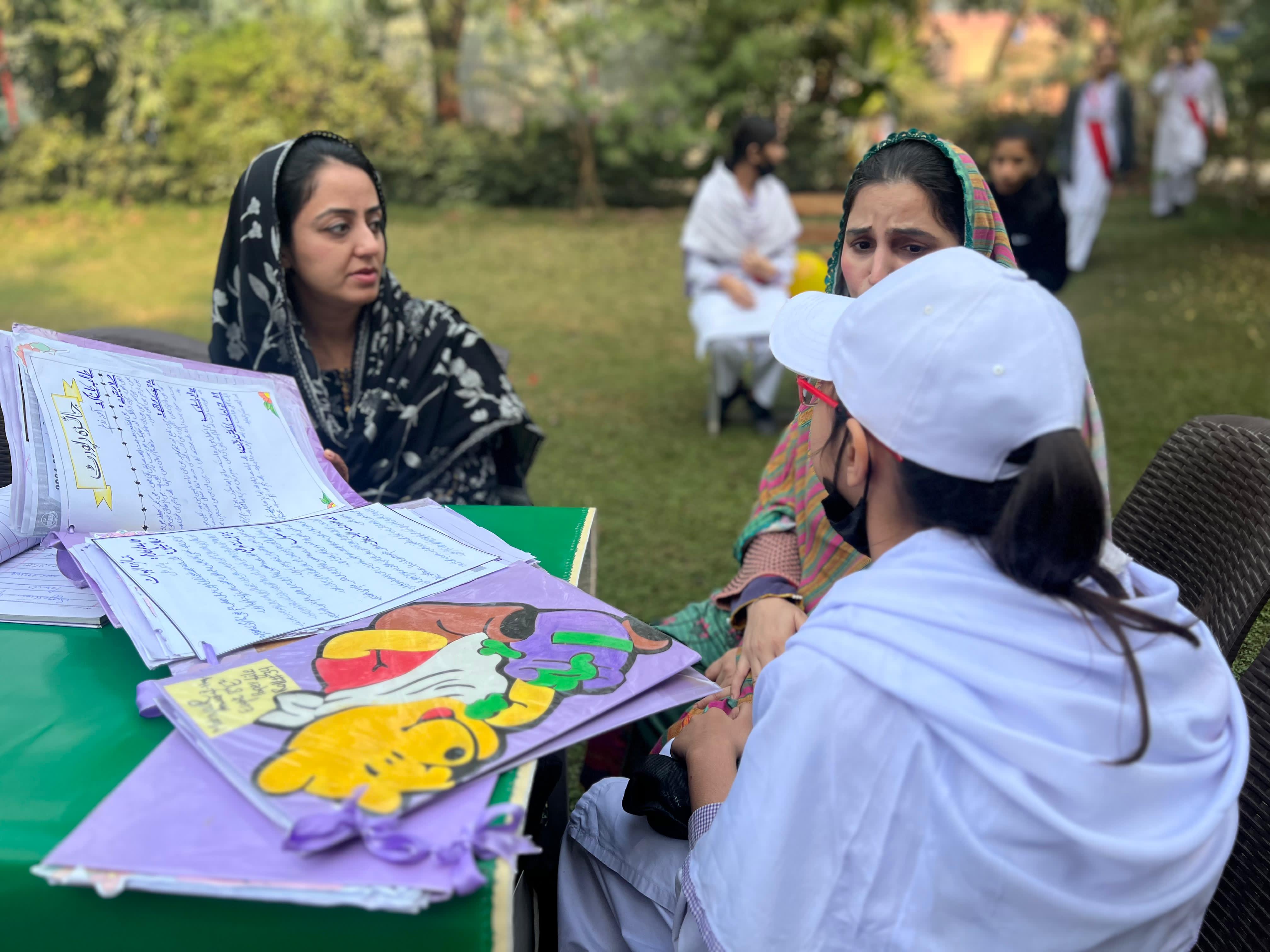
Before a single session was designed, White Rice led a large-scale co-creation exercise across all provinces, bringing together government stakeholders, frontline workers, community members, mothers, and fathers. The goal: audit what existed, identify gaps, and co-design what a comprehensive national programme could look like. This was not consultation. It was design partnership.
The Intervention
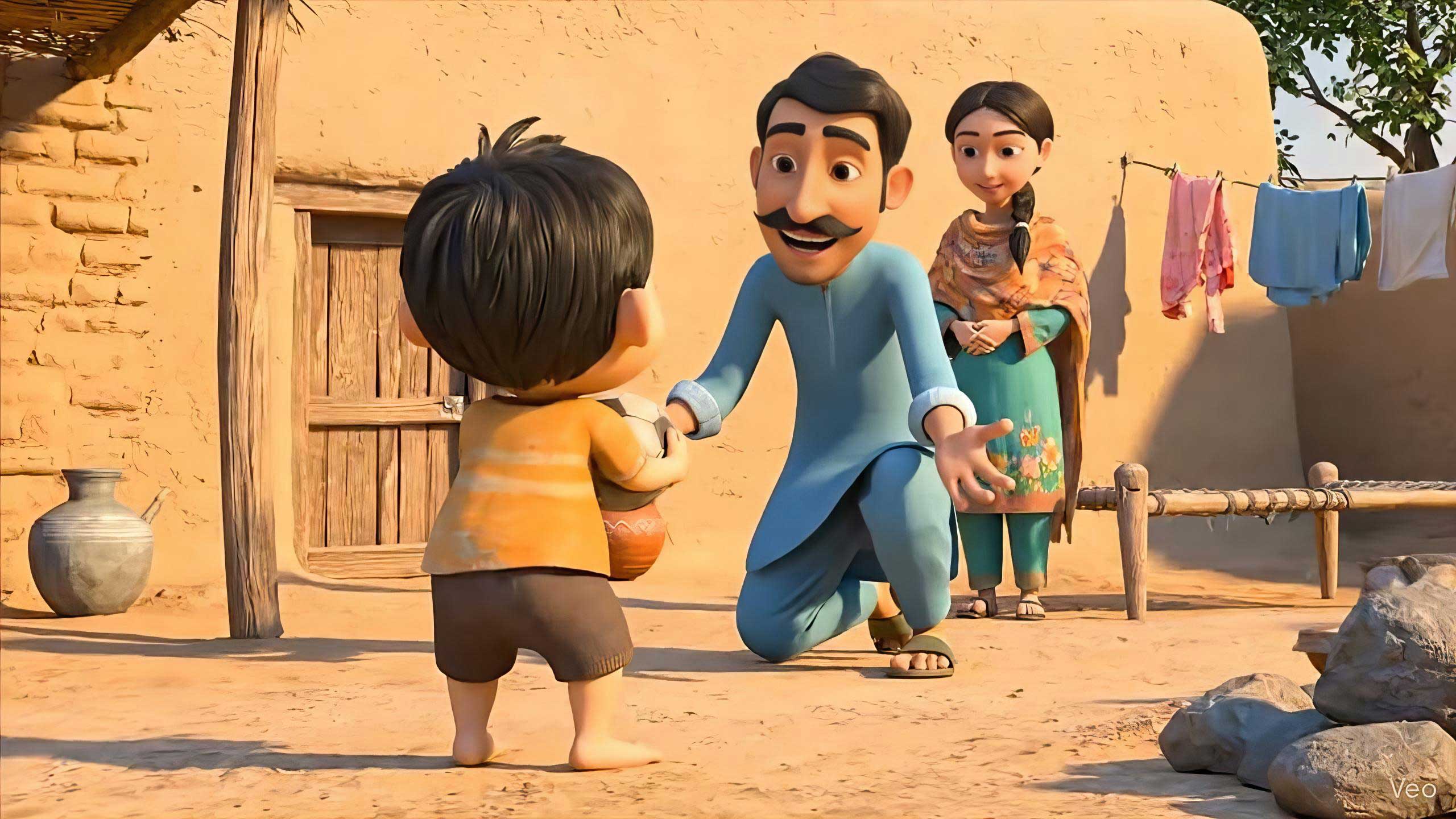
The programme produced a series of firsts for Pakistan. Flagship interventions that created new cultural space for conversations about ECD and fatherhood at national scale, while building the community and household infrastructure for lasting behaviour change.
At the community level, film screenings became an unexpected catalyst. Showing the fatherhood film in mosques, schools, and community halls created a neutral, emotionally engaging platform for conversations communities had never had publicly before. Influencer engagement brought local leaders, religious figures, and respected community members into the movement as champions, not bystanders.
The ClayLab, White Rice's community play lab concept, was perhaps the programme's most distinctive innovation. Parents arrived weekly for an 8–12 week structured programme where every session introduced a different form of play: creative, imaginative, structured, musical, storytelling, object-based. Fathers had their own sessions. Mothers-in-law and grandparents were eventually brought in. The design principle was simple but radical: parents had to experience play themselves before they could take it home to their children.
For frontline workers, White Rice developed Pakistan's first digital remote learning programme for ECD last-mile workers. A 12-week, bite-sized daily learning journey that took 1,000 workers from foundational ECD concepts through to programme delivery skills, entirely via mobile phone. Designed for low-connectivity, low-literacy contexts, it proved that professional development for remote field workers doesn’t have to wait for in-person training.
The Impact
The programme's most significant measure of success is not a number. It’s adoption. A national behaviour change programme, designed by White Rice, is now being scaled by the Pakistani government across the country. That is what a programme built to last looks like.
The First 8 Years programme is proof that when a behaviour change system is co-created with communities, designed across every layer, and built for government ownership, it can reach the scale Pakistan's children deserve.
The first eight years shape
the next eighty.
The First 8 Years programme is proof that when a behaviour change system is co-created with communities, designed across every layer, and built for government ownership, it can reach the scale Pakistan’s children deserve.